
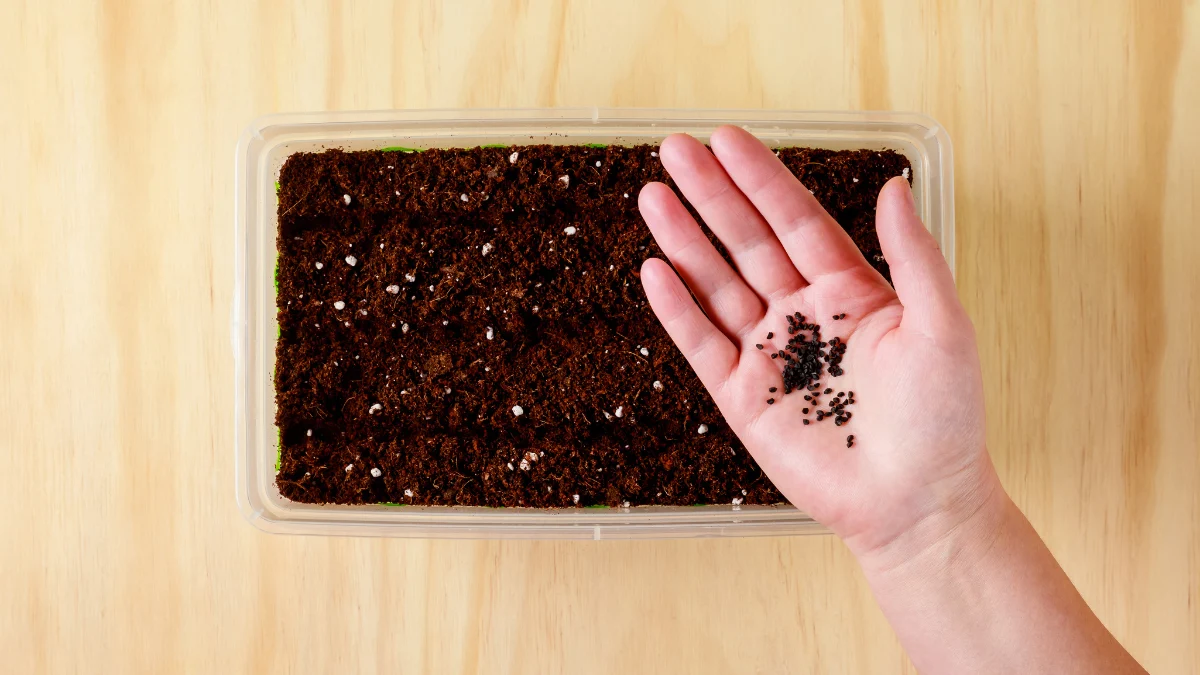
Getting the timing right is the hardest part of growing a garden from scratch. Start too early, and your plants grow tall and weak before they can go outside. Wait too long, and your harvest gets delayed by weeks or ruined by early fall weather. This guide shows you exactly when to start seeds indoors based on your specific growing zone.
Many new gardeners buy beautiful seed packets and plant them all on the exact same day. This common mistake leads to crowded window sills and stressed plants that fail to thrive. You need a reliable seed starting schedule to give each vegetable the exact head start it requires. You will learn the easiest crops to grow and the exact schedule to follow for a healthy spring garden.
Why Timing Your Indoor Seeds Matters So Much

Plants need specific temperatures to thrive outdoors in the garden dirt. If you move a tiny tomato plant into the cold ground too soon, a late frost will kill it. But keeping a large plant in a small plastic cup for too long stunts its roots forever. Giving your seeds the right head start indoors means they hit the garden at the perfect size.
Find Your USDA Hardiness Zone First

The United States Department of Agriculture divides the country into different climate zones. These USDA hardiness zones tell you how cold your area gets during the winter. Knowing your zone helps you figure out your average last spring frost date. That final frost date is the secret number you need for all your garden planning.
Many gardeners use the latest USDA map updates and the Farmers Almanac to estimate their spring frost dates. Here is a quick look at the average final frost window for common growing regions.
| USDA Zone | Climate Type | Average Last Frost Window |
| Zones 3 to 4 | Cold Northern | Mid May to Early June |
| Zones 5 to 6 | Midwest and North | Late April to Mid May |
| Zones 7 to 8 | Moderate South | Late March to Mid April |
| Zones 9 to 10 | Warm Deep South | January to Late February |
These dates are just average estimates for your specific region. A late winter storm can easily push your actual safe planting day back by a full week. Always check your local weather forecast before moving young seedlings permanently outside.
Count Backward From Your Last Frost Date
Seed packets usually tell you exactly how many weeks a plant needs to grow indoors. You just take your average last frost date and count backward by that number of weeks. For example, peppers usually need about eight weeks of indoor growing time. If your last frost falls on May first, you should plant your pepper seeds in early March.
The Best Vegetables to Start Indoors Early
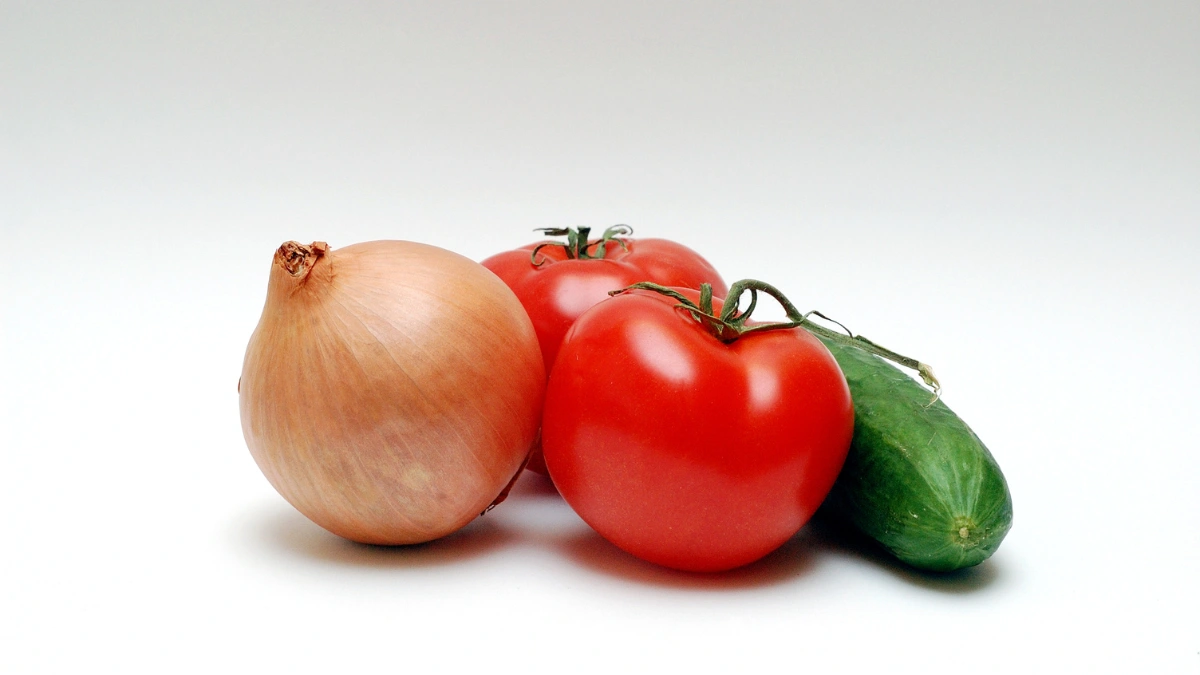
Some crops absolutely hate being transplanted and prefer to start directly in the garden soil. Root vegetables like carrots and radishes do much better when you plant them directly outside. But warm weather crops need that indoor head start to produce fruit before cold autumn weather arrives. Tomatoes, peppers, and eggplants are the most common seeds people start inside.
Different plants grow at completely different speeds on your window sill. Companies like Johnny’s Selected Seeds provide standard timelines for these popular garden vegetables.
| Vegetable | Weeks Before Frost | Difficulty to Transplant |
| Onions | 10 to 12 weeks | Easy |
| Peppers | 8 to 10 weeks | Medium |
| Tomatoes | 6 to 8 weeks | Easy |
| Cucumbers | 3 to 4 weeks | Hard |
Fast growing plants like cucumbers get stressed easily if they stay in small pots too long. Stick to the shorter timeframe for those fast growers to protect their delicate root systems. You can start the slower crops like onions while snow is still on the frozen ground.
What You Need for Healthy Indoor Seedlings
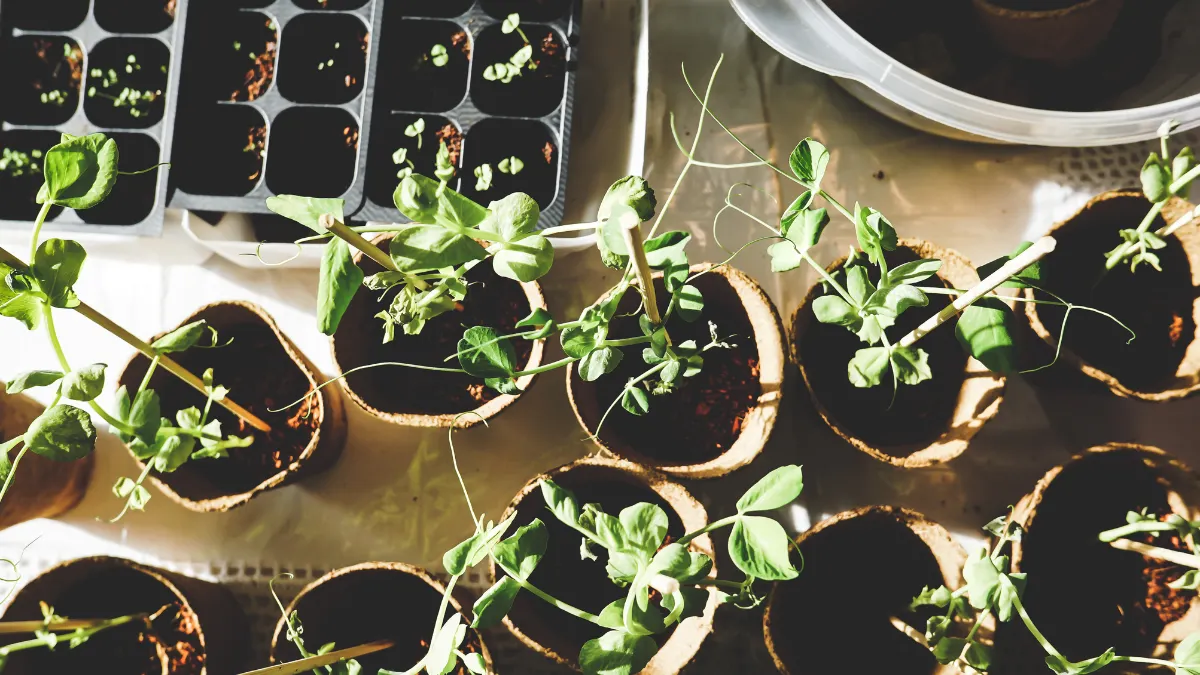
Seeds need moisture and consistent warmth to wake up and sprout. An electric seedling mat helps warm the soil and speeds up this early process significantly. Once the green leaves appear, the plants need intense light to grow thick stems. A sunny window is rarely bright enough to support healthy vegetable plants.
Most major seed suppliers like Burpee recommend using dedicated indoor equipment for the best results. Here are the basic requirements your young plants need to survive inside your house.
| Need | Why It Matters | Best Tool for the Job |
| Light | Prevents tall weak stems | LED shop lights |
| Warmth | Helps seeds sprout fast | Electric seedling mat |
| Airflow | Stops mold and disease | Small oscillating fan |
| Soil | Provides proper drainage | Sterile seed starting mix |
Regular potting soil is often too heavy and holds too much water for tiny seeds. A sterile mix keeps fungal diseases away and gives delicate new roots room to push through easily. Adding a gentle breeze from a fan makes the plant stems strong enough to handle outdoor wind later.
How to Move Your Plants Outside Safely
You cannot just carry a plant from your warm living room into the bright garden. The sudden change in cold temperature and harsh sunlight will put the plant into severe shock. You must harden off your seedlings over a period of one full week. This step is completely necessary for your gardening success and involves a few simple steps.
- Place the pots in a shady spot outdoors for just two hours on the first day.
- Bring them back inside before the sun gets too harsh or the temperature drops.
- Add one hour of outdoor time and a little more direct morning sun every single day.
- Move your robust plants into the real garden bed by the end of the week.
This gradual process builds strong plant tissues that can handle rough outdoor weather. Skipping this step often kills perfectly healthy plants in a single afternoon. Take your time and watch the weather forecast closely during this entire transition week.
Growing your own food from tiny seeds saves money and gives you endless plant choices. Timing your planting schedule to match your local climate zone guarantees a much better harvest. You just need to find your final frost date and count backward for each vegetable type. Gather your seed packets and a calendar to plan your spring garden schedule today.
Every successful garden begins with a solid plan and a little bit of patience. Your small indoor setup will soon transform into a productive outdoor vegetable patch. Keep your young plants warm and give them plenty of bright overhead light. Start organizing your seed collection now so you are perfectly ready for the first planting day.
