
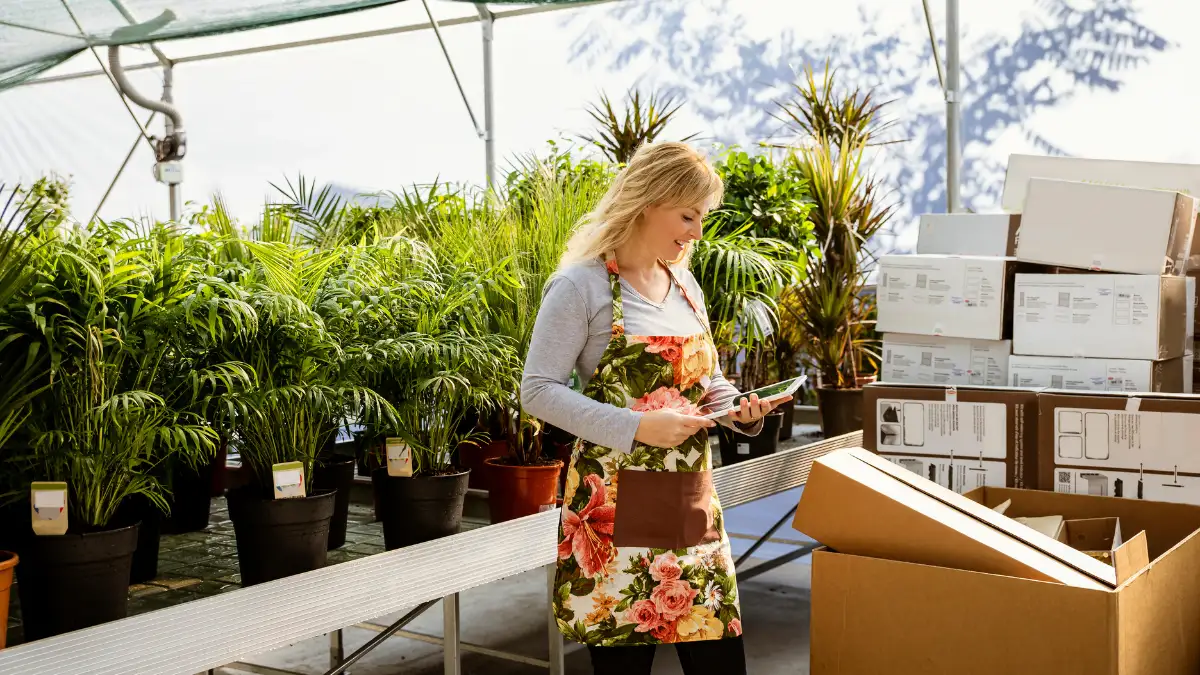
You step outside on the first warm day of the year and want to do everything at once. Your hands itch to grab a trowel and start digging in the dirt immediately. But rushing into your spring garden prep can actually ruin your soil structure and kill helpful insects.
A proper spring garden checklist keeps you from making these costly mistakes. Doing your outdoor chores in the exact right order saves you time and protects your plants. Following a smart sequence ensures you set your yard up for success.
Wait for the Soil to Dry Before Cleaning Up

Stepping on wet garden beds packs the dirt down hard. This cuts off oxygen and makes it impossible for delicate plant roots to grow. You must wait until the soil crumbles easily in your hand before you start walking on it.
Once things dry out, you can start removing the dead stalks and old leaves. Beneficial insects sleep in this debris over the winter months. The Xerces Society recommends waiting until temperatures consistently stay above 50 degrees Fahrenheit to clean up your garden.
Knowing exactly what to clean up can feel overwhelming. This quick guide shows you what to remove and what to leave alone.
| Garden Task | Wait For This Sign | Action to Take |
| Raking leaves | Soil is dry and crumbly | Compost heavily matted leaves |
| Cutting stems | Days stay above 50 degrees | Trim old growth down to the crown |
| Moving mulch | Danger of hard frost passes | Pull mulch away from plant bases |
Leaving healthy debris protects the local ecosystem in your yard. You also save yourself hours of backbreaking work by letting nature do its thing.
Test and Prepare Your Soil for Planting
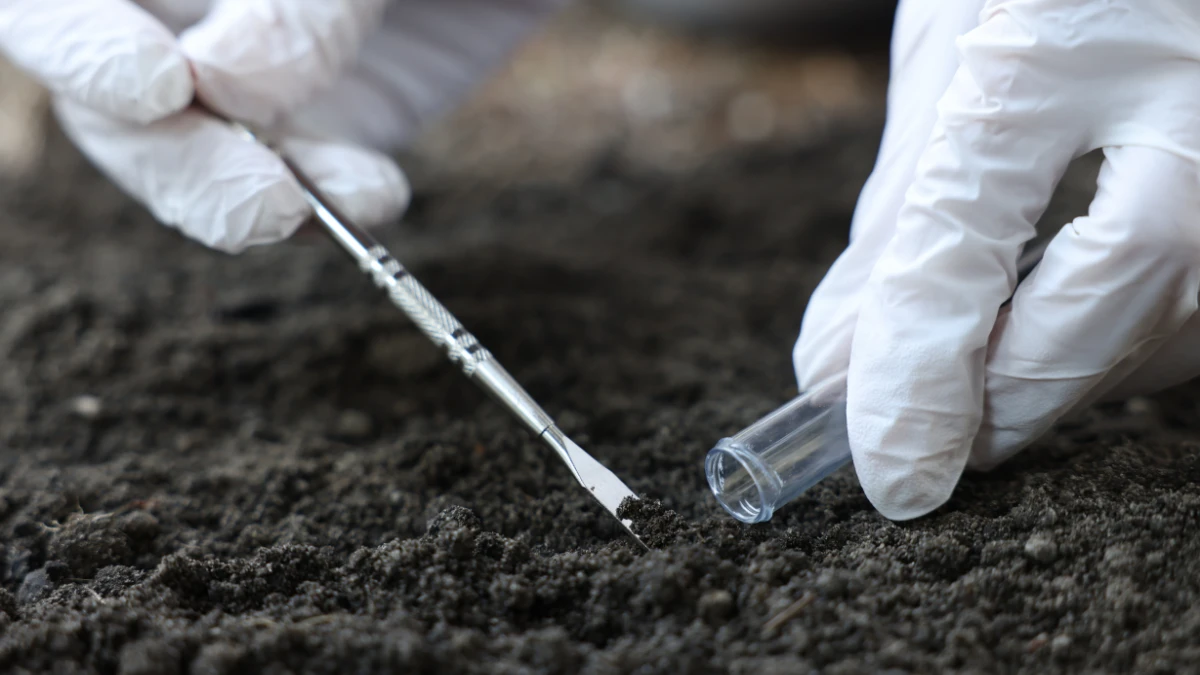
Plants need food to grow strong stems and produce big harvests. Spring is the best time to check your soil health and fix any nutrient gaps. You can pick up a simple test kit from a local nursery or send a sample to your county extension office.
The results tell you exactly what your garden needs to thrive. If your soil lacks organic matter, you can mix in compost or a natural option like Espoma organic fertilizer. Preparing soil for spring planting a few weeks early allows the nutrients to settle into the dirt.
Different plants require different soil pH levels to grow well. Check this chart before you start adding amendments to your garden beds.
| Plant Category | Ideal pH Range | Common Soil Amendment |
| Most Vegetables | 6.0 to 7.0 | Compost or aged manure |
| Blueberries | 4.5 to 5.5 | Elemental sulfur |
| Lawns | 6.5 to 7.0 | Lime for acidic soils |
Balancing your soil pH helps your plants absorb nutrients efficiently. If your soil is too acidic or alkaline, even heavy fertilizers will go to waste.
Prune Your Trees and Shrubs Before New Growth

Cutting away dead branches encourages fresh growth and keeps your plants healthy. You want to trim most of your shrubs while they are still dormant. If you wait until they push out green leaves, you risk shocking the plant.
Grab a sharp pair of bypass pruners to make clean cuts. The Felco Two model is a reliable choice for easily slicing through thick branches. Cut away dead, diseased, or crossing branches first to let air and sunlight reach the center of the plant.
You should also clean your blades with rubbing alcohol between each shrub. This stops fungal diseases from spreading across your yard. Doing this task early gives your plants plenty of time to recover.
Set Up Hardscaping and Garden Structures
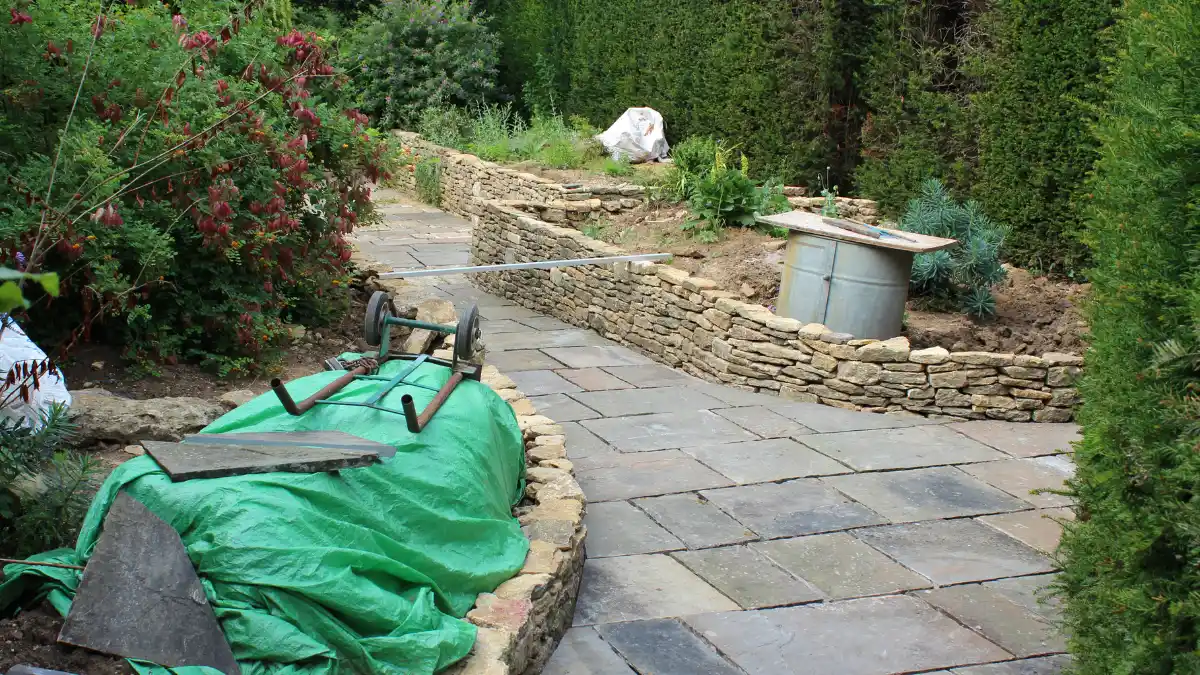
Your plants will eventually cover the ground and get in your way. You need to fix raised beds, lay down fresh pathways, and build trellises before that happens. Fixing a broken fence is much easier when you do not have to dodge heavy tomato vines.
This is also the perfect time to scrub your birdbaths and check your irrigation lines for winter damage. Turn on your hoses early in the season to find any hidden leaks. Doing this heavy lifting now leaves your schedule completely open for planting later.
Plant Your Cool Weather Crops First

A lot of gardeners buy pepper and tomato plants way too early in the year. A sudden spring frost will kill those warm weather plants overnight. You should focus your first planting efforts on cold hardy crops that actually prefer chilly nights.
Knowing when to start a garden in spring depends entirely on your local climate. The Old Farmer’s Almanac provides a reliable frost date calculator based on your zip code. Check that specific date before you tear open a single seed packet.
Grouping your seeds by temperature needs prevents you from losing tender plants. Here is a breakdown of what can handle the cold and what needs absolute warmth.
| Crop Type | Frost Tolerance | Best Planting Time |
| Spinach and Peas | Survives light frosts | 4 weeks before last frost |
| Carrots and Beets | Tolerates cool soil | 2 weeks before last frost |
| Tomatoes and Peppers | Zero frost tolerance | 2 weeks after last frost |
Starting with the cold hardy options gives you a very early harvest. You can then replace those early greens with your summer crops as the weather heats up.
Get Ready for Spring Planting
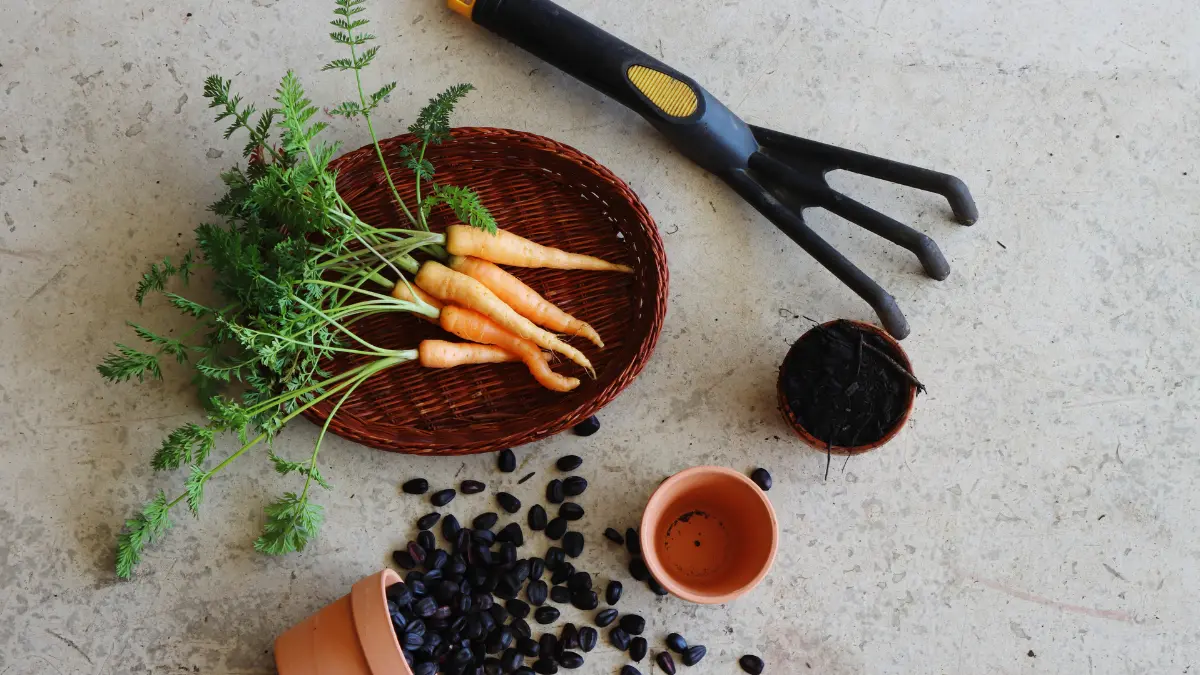
Following a spring garden checklist keeps you organized and protects your local environment. Taking things one step at a time prevents you from ruining your soil or killing helpful insects. Your garden will reward your patience with healthier plants and much bigger blooms.
Now is the time to head into your garage and inventory your supplies. Sharpen your pruners, clean your pots, and map out your planting schedule today. Doing the prep work now means you get to enjoy the warm sunshine later.
