

Gardening is a wonderful hobby that can drain your wallet faster than you expect. The 2026 National Gardening Survey reports the average household spends seven hundred and forty dollars a year on garden supplies. Buying mature plants from a retail nursery takes up a massive chunk of that budget.
Fortunately, you do not have to spend a fortune to build a beautiful backyard. You just need to know how to get free plants from the resources right around your neighborhood. This guide will show you exact methods to fill your garden without opening your wallet.
How to Get Free Plants by Taking Simple Cuttings

The absolute easiest method to grow your garden for free is to take cuttings. You can simply ask friends or family members if you can take a small clipping from their healthy plants. Most gardeners are happy to share a piece of their favorite houseplant or shrub. You just place the cutting in water or moist soil until it grows new roots.
Some plants grow roots much faster than others. Here is a quick list of plants that are perfect for beginners to propagate.
| Plant Name | Best Propagation Method | Rooting Time |
| Pothos | Place in water | 2 to 3 weeks |
| Spider Plant | Plant the baby offsets | 1 to 2 weeks |
| Mint | Place in water or soil | 1 to 2 weeks |
| Sedum | Place directly in soil | 2 to 4 weeks |
Water propagation works best for most indoor trailing plants. Soil propagation is usually better for outdoor succulents and fresh herbs.
Taking a cutting does not harm the original plant if you do it correctly. Use clean scissors to make a sharp cut just below a leaf node. The node is the bumpy part of the stem where the new roots will emerge.
Where Can You Find Local Community Plant Swaps?
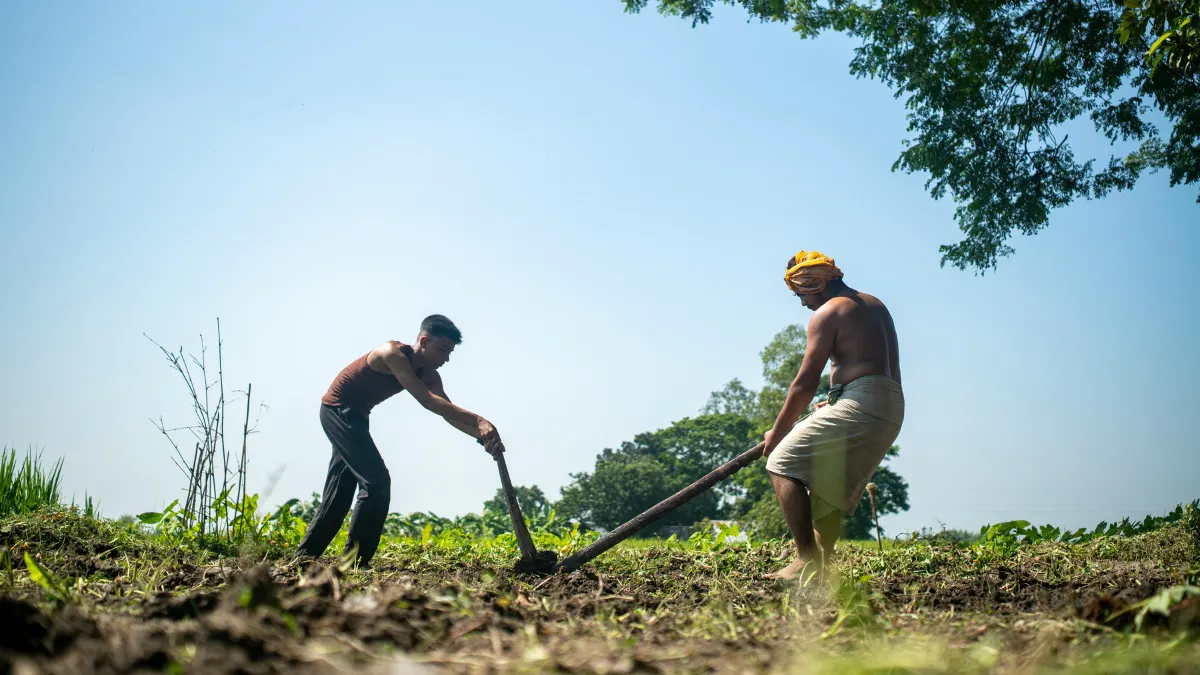
Community plant swaps are growing in popularity across the country. Gardeners bring extra seedlings or cuttings to a public spot and trade them for free. You get to meet local people who share your hobby while scoring new plant varieties for your yard. These outdoor events are very common in the spring and early summer.
Finding a local swap is easier than you might think. Check these common platforms to see when the next event happens near you.
| Platform or Group | What to Search For |
| Facebook Groups | Local gardening club or plant swap |
| Nextdoor App | Neighborhood seed trade or plant exchange |
| Public Library | Gardening events or community boards |
| Local Government | Parks and recreation department calendars |
Cities often host official swaps to encourage community bonding. For instance, the City of Bloomington hosted a free public plant exchange this past June for residents.
If you do not have any plants to bring to your first swap, do not worry. Many experienced gardeners bring boxes of extra plants they simply want to give away to beginners. Just show up with a friendly attitude and a box to carry your new plants home.
How Do You Check Out Free Seeds from a Library?
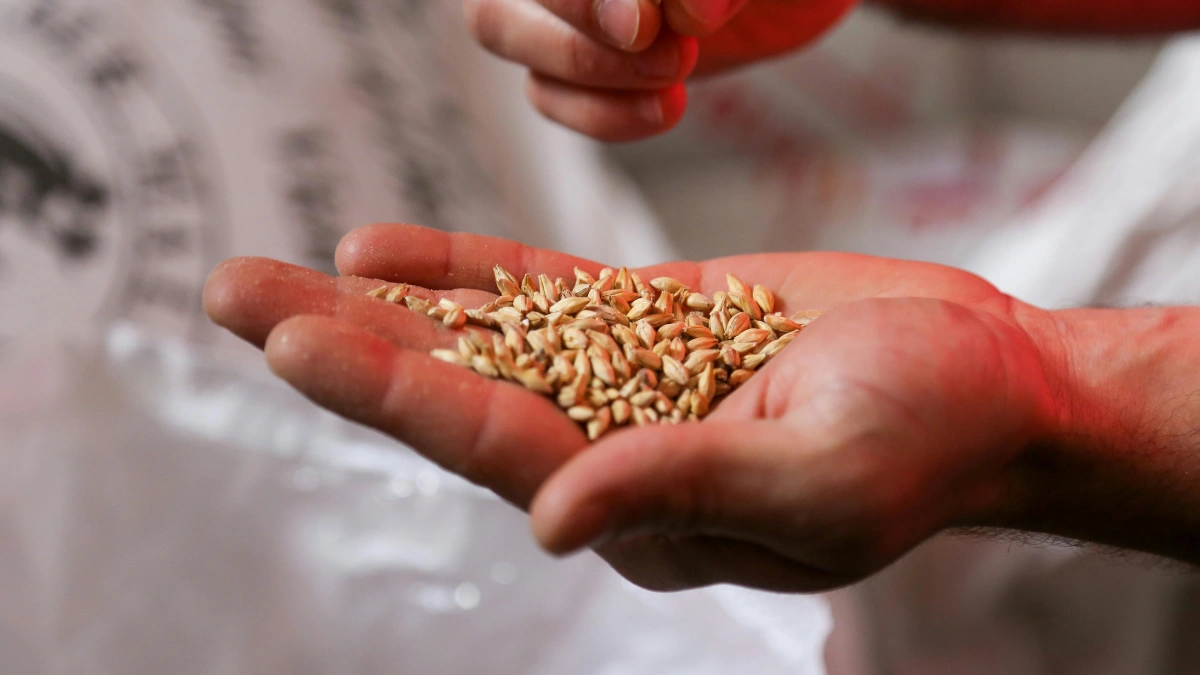
Seeds are much cheaper than mature plants, but you can actually get them for zero cost. Many public libraries now host seed libraries right next to their regular book collections. You check out a packet of seeds, plant them in your garden, and harvest them. At the end of the season, you are encouraged to save seeds from your mature crop to return to the library.
You can find a wide variety of seeds through these community programs. Here are the most common types of seeds you will find available for free.
| Seed Category | Examples Usually Available |
| Vegetables | Tomatoes, beans, peppers, lettuce |
| Herbs | Basil, cilantro, dill, parsley |
| Native Flowers | Milkweed, coneflowers, black eyed susans |
Vegetable seeds are the most popular items at library exchanges. Native flower seeds are also heavily stocked because they help feed local pollinators.
You can also look into national organizations that promote seed sharing. The Seed Savers Exchange focuses on preserving rare and heirloom seed varieties. While they do sell seeds, they also facilitate a massive community exchange where members trade unique seeds directly with each other.
What Free Plant Giveaways Does Your City Offer?

Many local governments give away free trees and plants to residents every year. These public programs help increase the city tree canopy and promote water conservation. You can usually find these events around Earth Day in April or Arbor Day. Check your city or county website to see if they offer an annual gardening giveaway.
Some regional water departments even offer free native plants that require less irrigation. For example, the Save Tarrant Water program in Texas provides resources and free plant events for residents. They do this because native plants survive on natural rainfall and save the city water over time. Look up your local water conservation district to see if they run a similar program.
How to Divide Your Existing Perennials for Instant Garden Growth
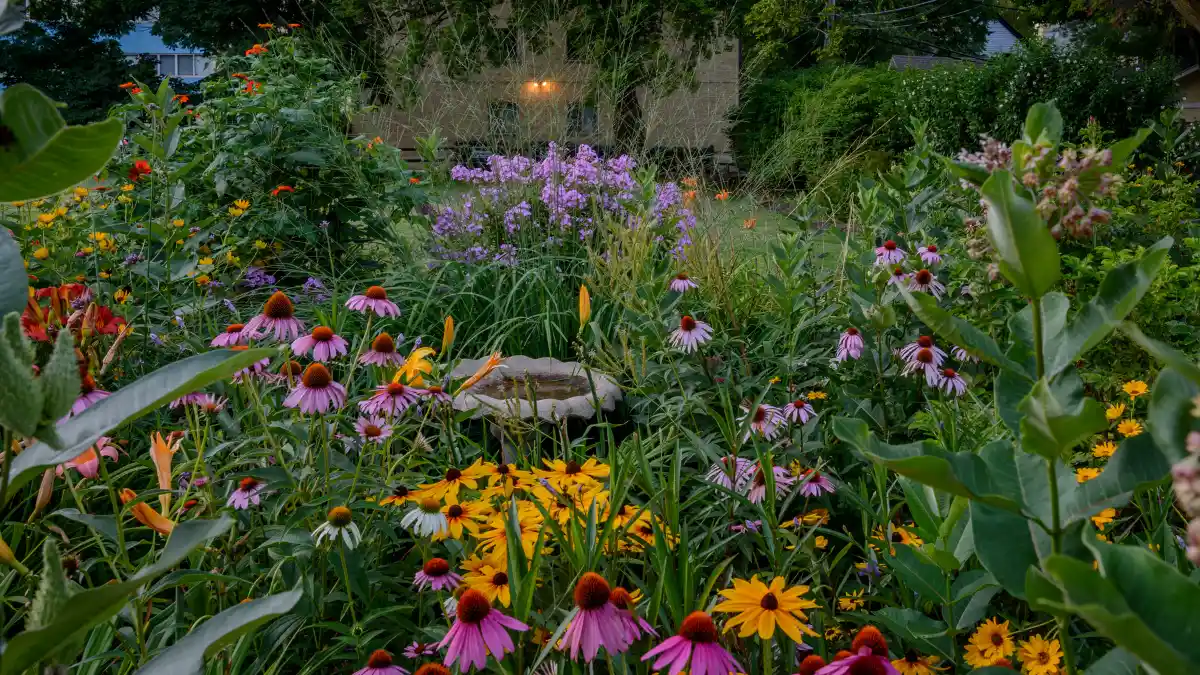
If you already have a few large plants in your yard, you can multiply them for free. Perennial plants grow larger every year and eventually need to be split. You just dig up the entire plant and gently pull the root clump apart into two or three pieces. You then replant one piece in the original spot and move the others to bare areas in your garden.
Not every plant can be split in half safely. The best candidates are perennials that grow in thick clumps over the years.
| Plant Name | Best Season to Divide |
| Hostas | Early spring or early fall |
| Daylilies | Late summer or early fall |
| Ornamental Grasses | Early spring |
| Black Eyed Susans | Spring or fall |
A good rule of thumb is to divide plants when they are not actively blooming. Dividing a plant while it is flowering causes too much stress to the root system.
This splitting method instantly gives you large plants that fill in gaps perfectly. It also keeps your original plants healthier by giving them fresh room to grow. You can even trade your extra divided clumps with neighbors to get completely different species for your yard.
Conclusion
You absolutely can build a lush garden on a tight budget. Taking cuttings, attending swaps, checking out seed libraries, and dividing your own perennials will save you hundreds of dollars. The 2026 gardening season is a great time to connect with your local community and share the wealth. Start by asking a friend for a single cutting this weekend, and watch your free garden grow.
