
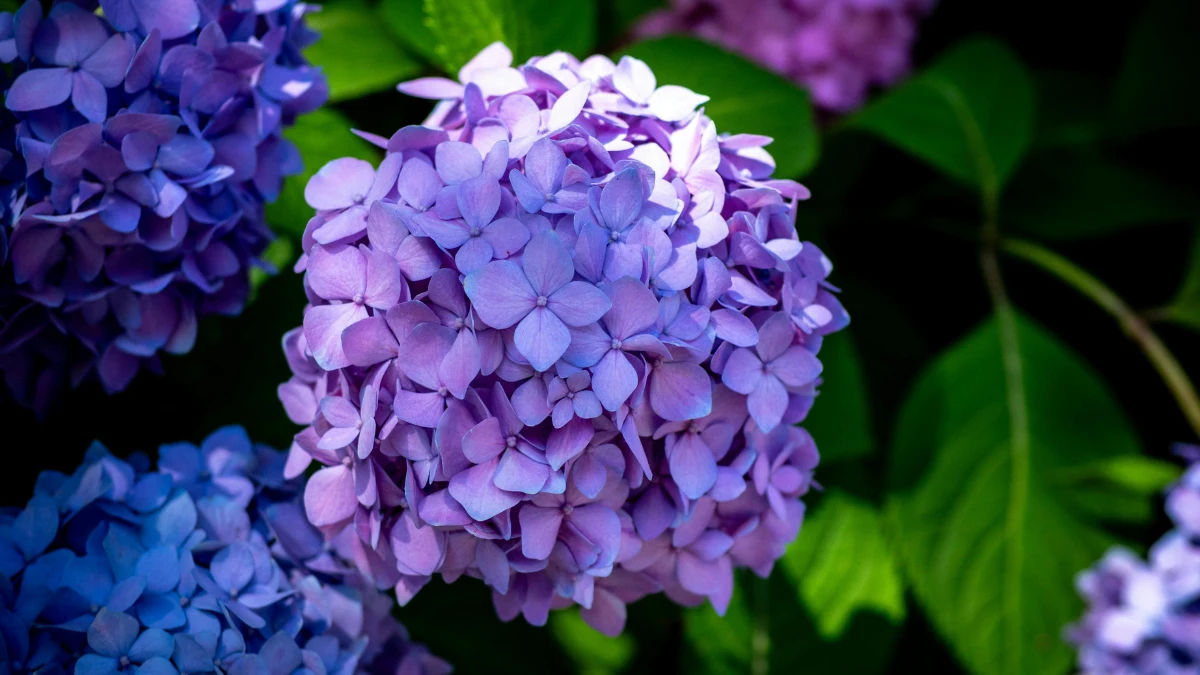
You wait all spring for those massive flower heads to appear on your favorite shrub. Instead, you get a giant green bush with exactly zero blossoms. This is the most common frustration for home gardeners growing these popular plants.
But the good news is that this problem is highly fixable once you know the cause. We will look at the exact reasons why hydrangeas won’t bloom this year in your yard. Then you will learn the simple steps to guarantee a garden full of gorgeous flowers next season.
Did You Prune at the Wrong Time?
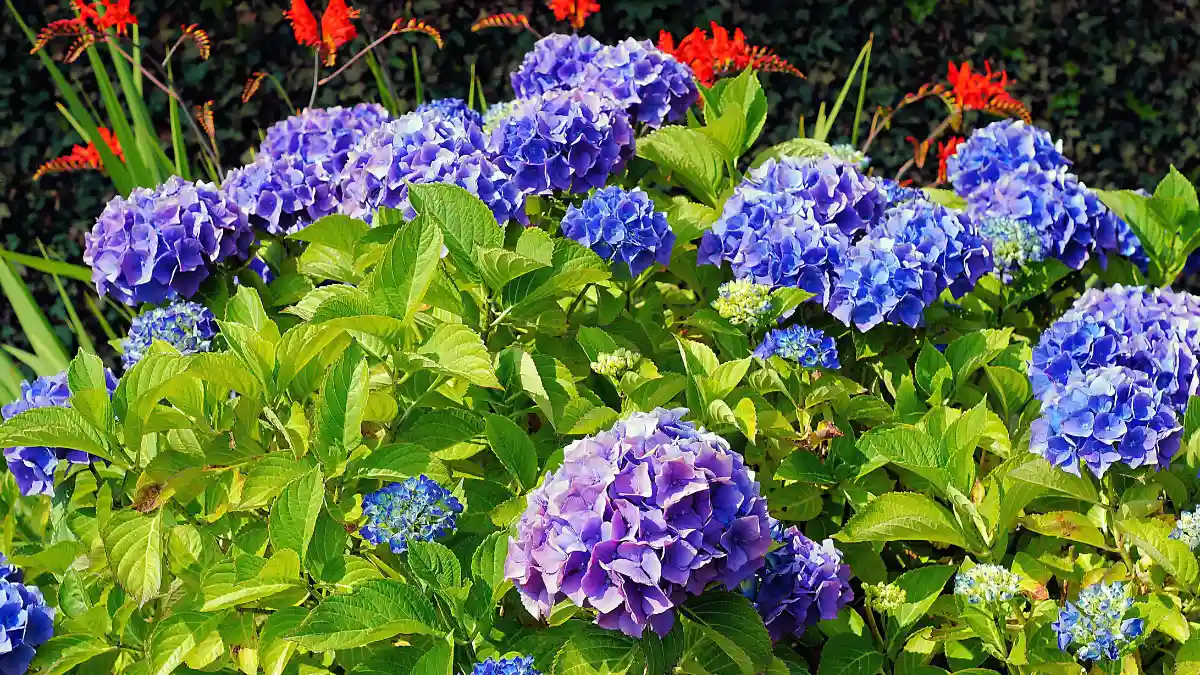
The biggest mistake gardeners make is cutting their bushes back in the fall or early spring. Many popular varieties form their flower buds during the previous summer. If you chop off the bare stems before they wake up, you are throwing away this year’s flowers.
Learning about pruning hydrangeas correctly is the only way to avoid this mistake. Bigleaf varieties need completely different care than panicle or smooth varieties. Let us look at a quick guide to help you identify your plant and its pruning needs.
| Hydrangea Type | Blooms On | Safe Time to Prune |
| Bigleaf (Macrophylla) | Old Wood | Right after summer blooming |
| Oakleaf (Quercifolia) | Old Wood | Right after summer blooming |
| Panicle (Paniculata) | New Wood | Late winter or early spring |
| Smooth (Arborescens) | New Wood | Late winter or early spring |
As you can see, cutting a bigleaf variety in the spring ruins your flower show. Panicle types are much more forgiving and will reward a late winter trim with fresh growth. Always double check your plant tag before you pick up the shears.
How Winter Cold Kills Flower Buds
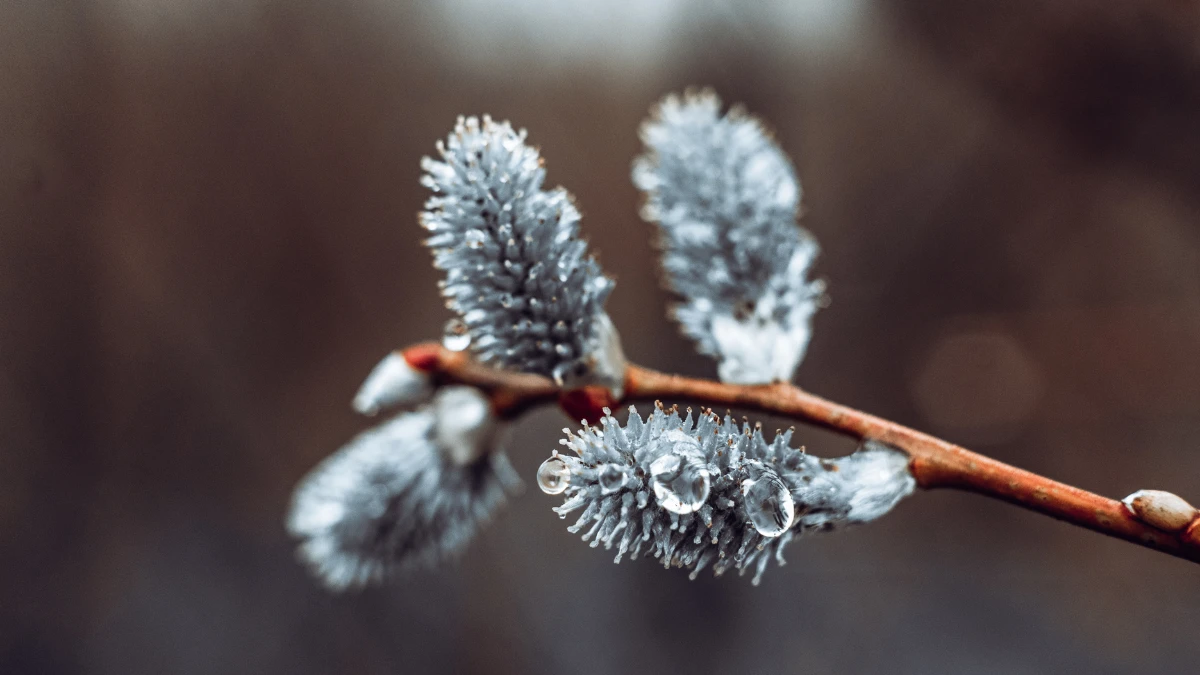
Sometimes your pruning habits are perfect, but hydrangea winter damage ruins your plans anyway. An unusually harsh winter can freeze the branches right down to the ground. When the old wood dies from extreme cold, the preformed flower buds die right along with it.
Late spring frosts cause the exact same issue for gardeners in the Midwest and Northeast. The plant wakes up on a warm April day and starts pushing out tender new buds. A sudden freeze the following week will turn those delicate buds black and brittle.
Experts at Proven Winners recommend covering your plants with burlap if a late spring frost is in the forecast. You can also pile shredded leaves around the base of the stems in late fall. This extra insulation protects the lowest buds from the worst winter wind and ice.
Too Much Nitrogen Fertilizer Creates Green Leaves

Feeding your garden seems like a smart way to encourage more flowers. However, using the wrong type of plant food will actually stop the blooming process completely. High nitrogen fertilizers tell the plant to focus all its energy on growing massive green leaves.
Lawns need high nitrogen, so lawn fertilizer runoff easily ruins the soil balance around your flower beds. If you want to fix hydrangea not blooming issues, you need a fertilizer with higher phosphorus levels to trigger bud development. Here is a breakdown of common soil amendments and how they affect your blooming success.
| Fertilizer Focus | Main Nutrient | Effect on Hydrangeas |
| Lawn Fertilizer | Nitrogen | Heavy leaf growth, zero blooms |
| Bone Meal | Phosphorus | Strong roots and heavy blooming |
| Basic Compost | Balanced | Gradual feeding and soil health |
| Espoma Rose Tone | Balanced for Flowers | Encourages steady bud development |
Switching your feeding routine can dramatically change how your shrubs perform next year. Skip the high nitrogen options completely if you want to see those big pink and blue heads. A dedicated flower food applies the exact nutrients needed for a spectacular summer display.
Sun Exposure and Watering Mistakes

Most garden centers label these plants as shade lovers. That label is slightly misleading because deep shade prevents the plant from generating enough energy to flower. They really need about four hours of morning sun to produce reliable blooms.
Too much afternoon sun is just as bad for most varieties. Baking in the hot July heat causes the plant to drop its buds to conserve water. You have to find the perfect middle ground between deep shade and scorching sun.
Watering consistency also plays a massive role in whether your plant decides to flower. A drought stressed shrub will abandon flower production just to keep its roots alive. Let us check the specific light and water requirements for the most common varieties in your yard.
| Plant Variety | Ideal Sun Exposure | Soil Moisture Need |
| Bigleaf | Morning sun, afternoon shade | Consistently moist, never soggy |
| Panicle | Full sun to part shade | Moderate water, very drought tolerant |
| Oakleaf | Morning sun, afternoon shade | Well drained, moderate water |
| Smooth | Part shade | Very high moisture required |
Moving a struggling shrub to a better location often solves the blooming issue entirely. Panicle varieties thrive in full sun, while bigleaf types demand afternoon protection. Pay close attention to your soil moisture during those dry summer weeks to keep the buds healthy.
Why Young Plants Need Time to Establish
Sometimes you do absolutely everything right and the plant still refuses to flower. Newly planted shrubs put all their energy into growing a strong root system during their first few years. Expecting a massive floral display from a baby plant is a recipe for disappointment.
Nursery growers often force early blooms using special greenhouse conditions before you buy the plant. Once you put that shrub in your typical garden soil, it experiences a bit of shock. It takes two to three full growing seasons for the roots to settle in and support new flowers.
The Easy Fix to Get Blooms Next Year
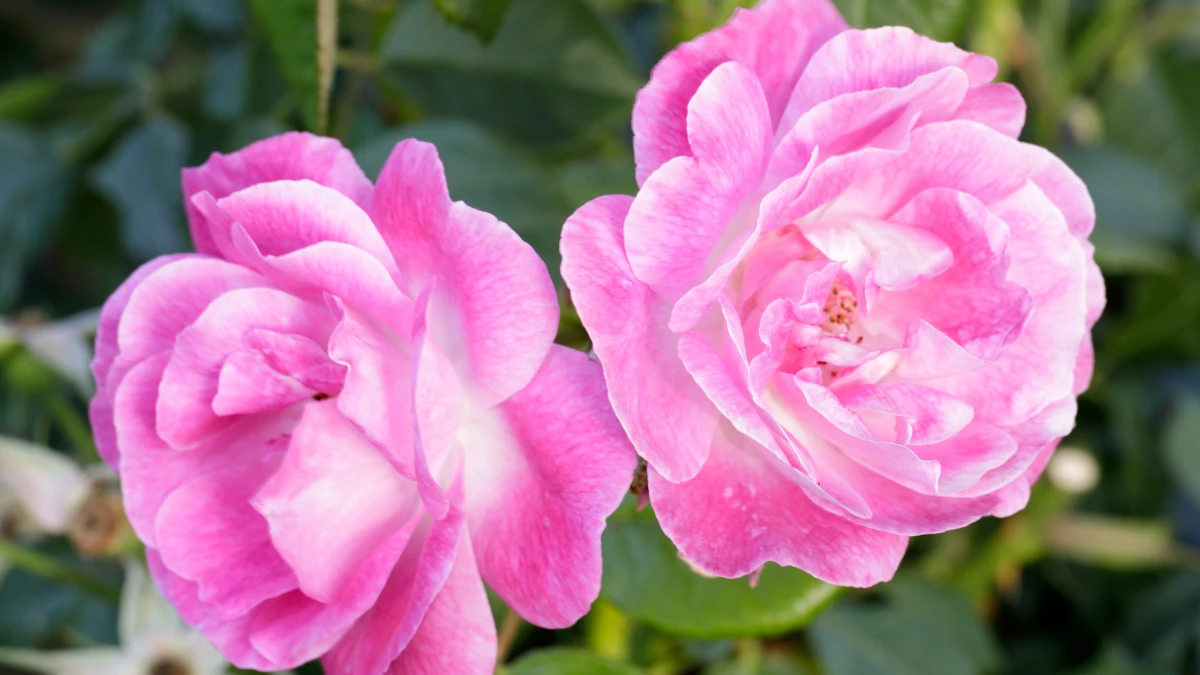
Fixing a barren shrub starts with leaving the pruners in the shed this fall. Let the plant keep all its branches through the winter to protect next year’s buds. If you hate the look of dead sticks, you can snap off just the dried flower heads with your bypass shears.
Next spring, wait until you see green leaves emerging before you trim anything. You can safely remove any brittle branches that show zero signs of life by late May. Feed the plant with a phosphorus rich organic fertilizer right as the new growth starts.
Finally, ensure the soil stays damp by adding a thick layer of natural wood mulch. Keep the mulch a few inches away from the stems to prevent rot. With proper watering and zero accidental pruning, you will see a massive floral display next summer.
Enjoying Your Summer Garden Again
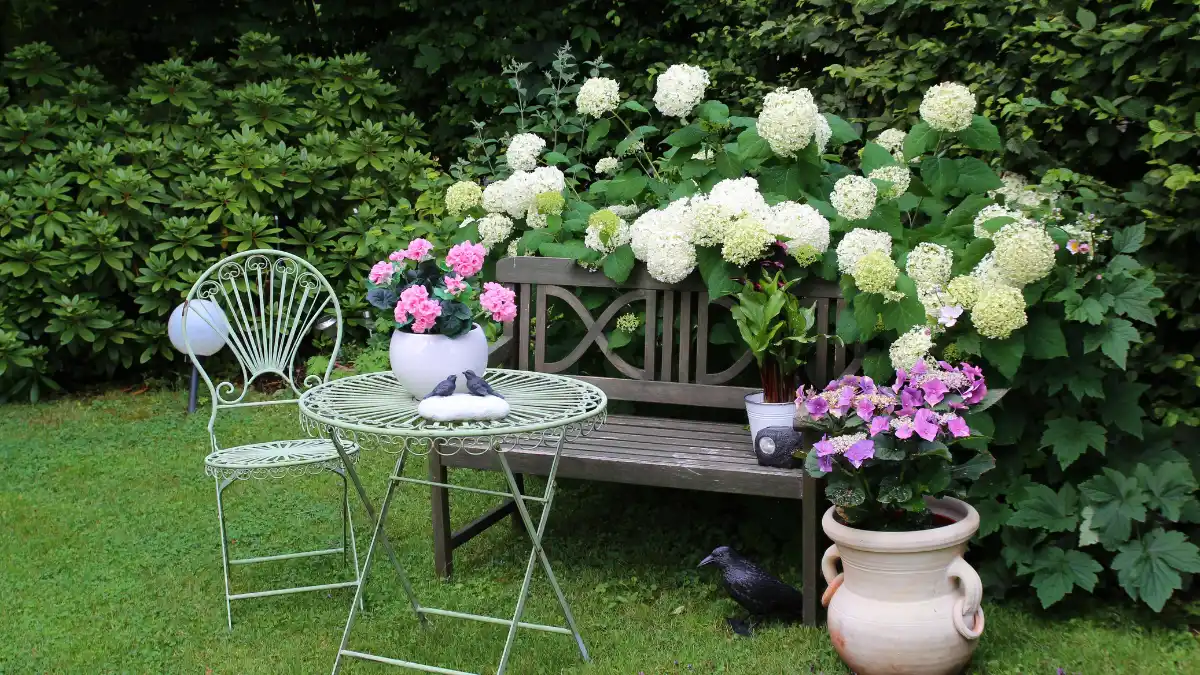
It takes patience to recover a shrub that skipped its blooming cycle. You might have to stare at a leafy green bush for one more season while it resets. But applying these simple fixes guarantees a much better result next time around.
Identify your plant type today so you know exactly when to prune it. Protect those fragile stems from late frosts and keep the lawn fertilizer far away from the roots. Your hydrangeas will thank you with the biggest, brightest flowers on the block.
