

You want to grow your own food but you are short on space. A massive orchard is out of the question for a tiny yard. You can still pick fresh fruit just steps from your back door.
Growers now graft popular fruits onto special dwarf roots. These smaller plants stay compact while producing full sized crops. You just need to pick the right varieties for your specific climate.
1. Meyer Lemon
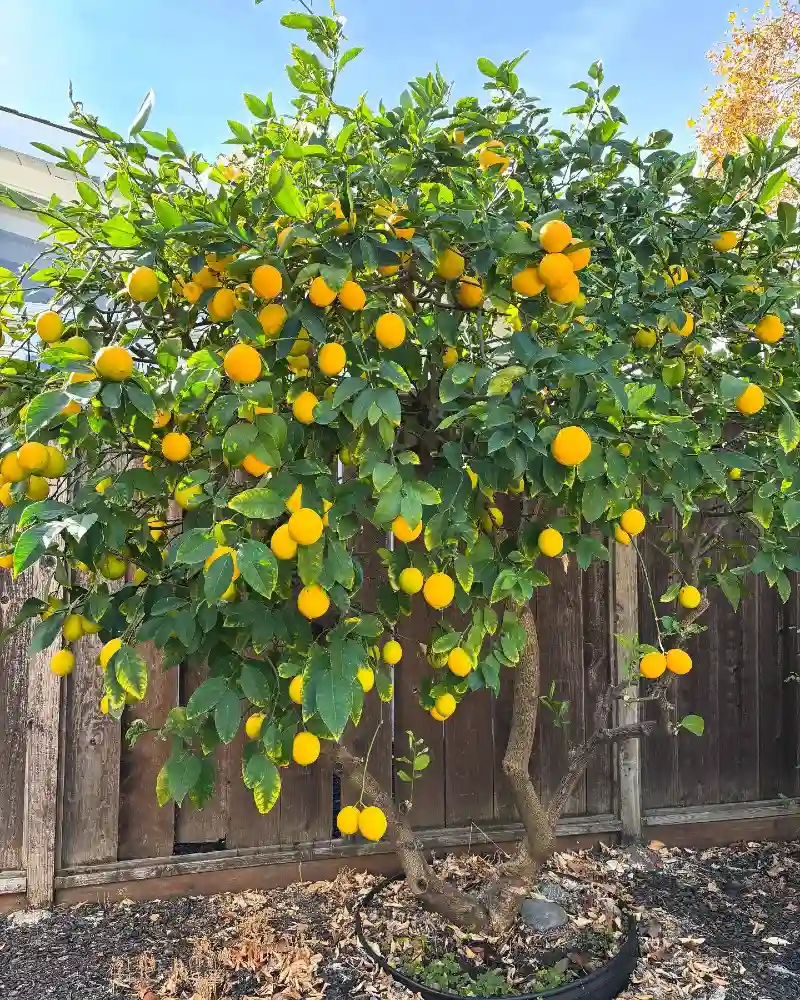
This citrus variety thrives in a container on a sunny patio. The plant stays under six feet tall when you keep it potted. You get sweet lemons that are perfect for baking and drinks.
They need plenty of sunlight and regular fertilizer to produce well. You must bring the pot indoors before the first winter frost. It will reward you with fragrant white flowers in the spring.
2. Brown Turkey Fig
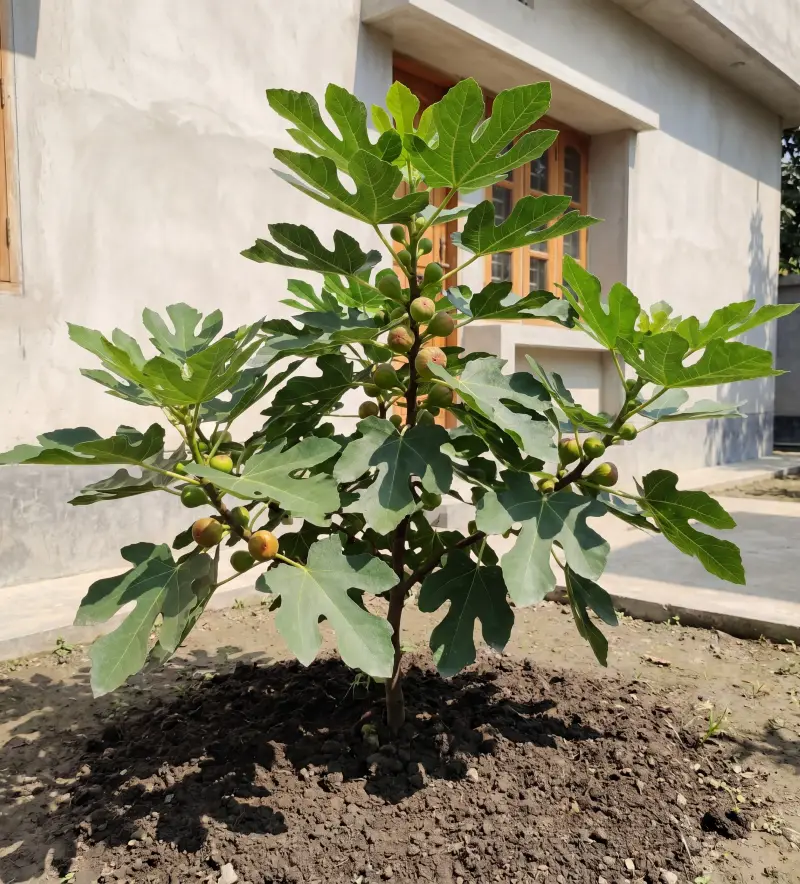
Fig trees naturally want to grow large. They respond very well to heavy pruning and root restriction. You can keep this tree to a manageable six feet with annual winter cuts.
These trees are fairly cold hardy in mild climates. You can grow them in large tubs or plant them directly in the ground. They often produce two distinct crops in a single growing season.
3. Dwarf Honeycrisp Apple
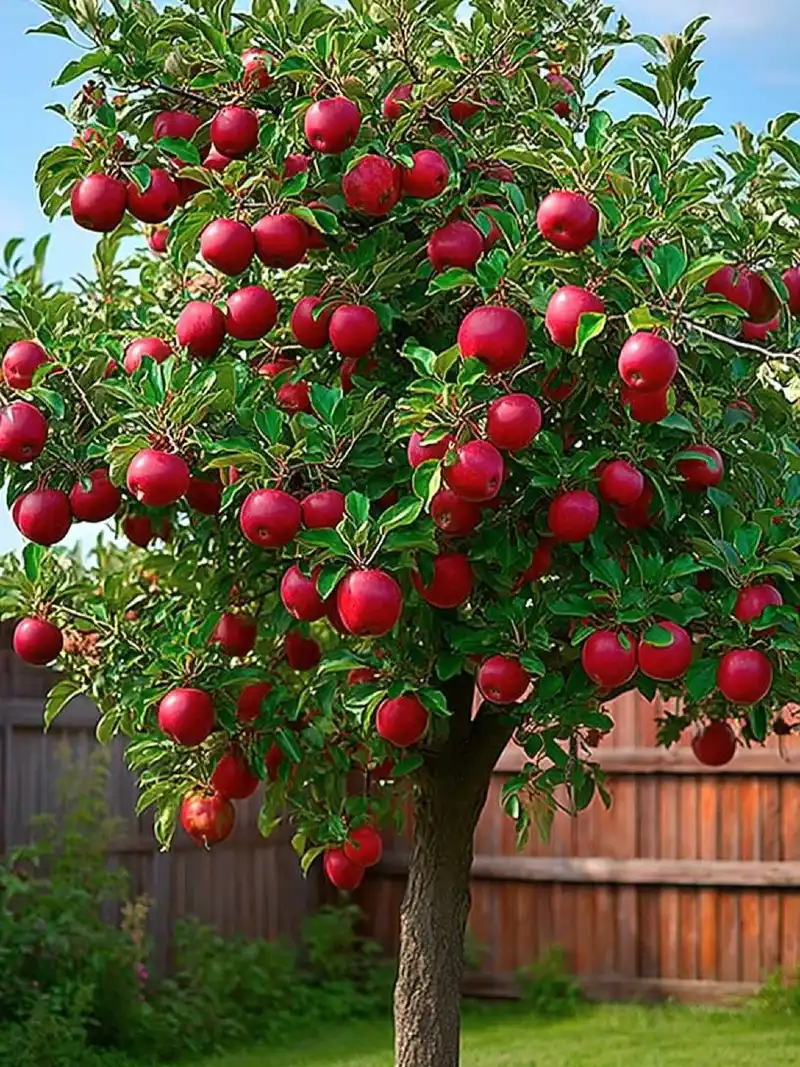
You do not need acres of land to grow the most popular apple in the grocery store. Nurseries sell this crisp variety on dwarf rootstocks that stop growing at ten feet tall. They yield big fruit that stores very well in the fridge.
This tree does have one major catch. You must plant another apple variety nearby so the blossoms can cross pollinate. A neighbor’s crabapple tree will often do the trick.
4. Dwarf Stella Cherry
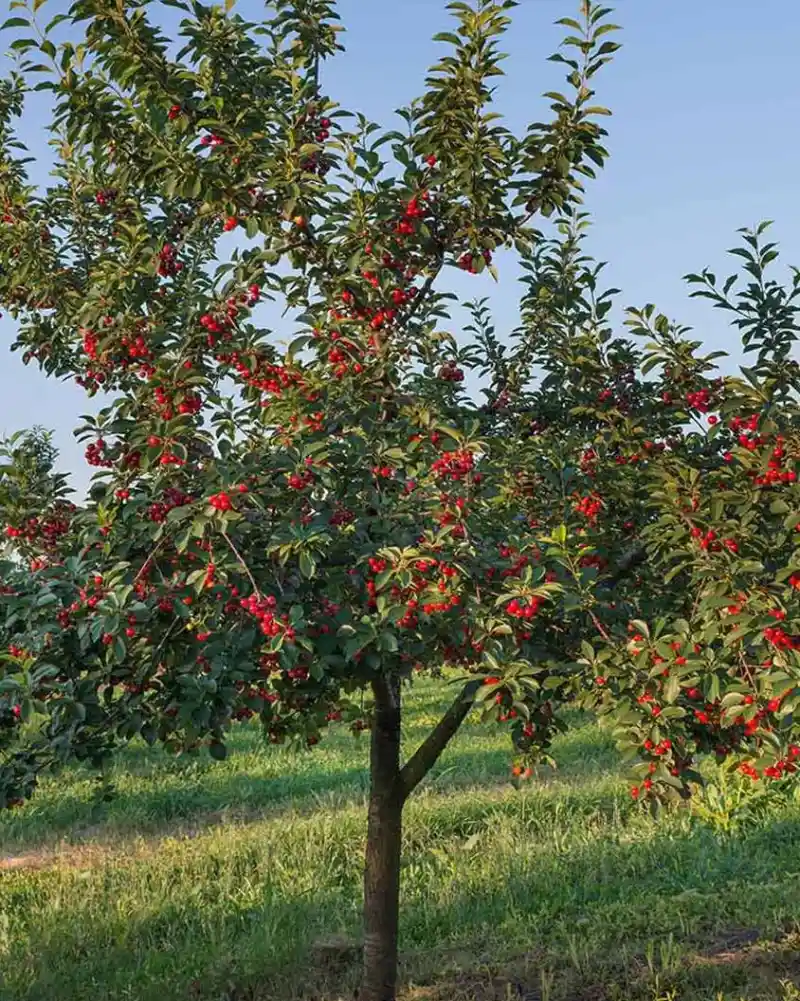
Cherry trees usually take up massive amounts of space. The Stella variety changes the rules by staying compact and producing fruit without a partner tree. It is fully self fertile and yields dark sweet cherries.
You will see beautiful white blossoms in early spring. The birds will try to steal the fruit before you can pick it. You should cover the branches with netting as the cherries turn red.
Knowing the mature size of your plant helps you plan your layout. Some varieties stay incredibly small while others need a bit more width. This chart shows what to expect in the ground versus in a container.
| Tree Variety | Ground Height | Container Height |
| Meyer Lemon | 8 to 10 feet | 4 to 6 feet |
| Brown Turkey Fig | 10 to 15 feet | 5 to 7 feet |
| Stella Cherry | 12 to 15 feet | 6 to 8 feet |
| Honeycrisp Apple | 10 to 12 feet | 5 to 7 feet |
Container growing restricts root growth and keeps plants much smaller. You will need to repot them every few years to keep them healthy. Pruning also helps control the final width of the canopy.
5. Dwarf Red Haven Peach
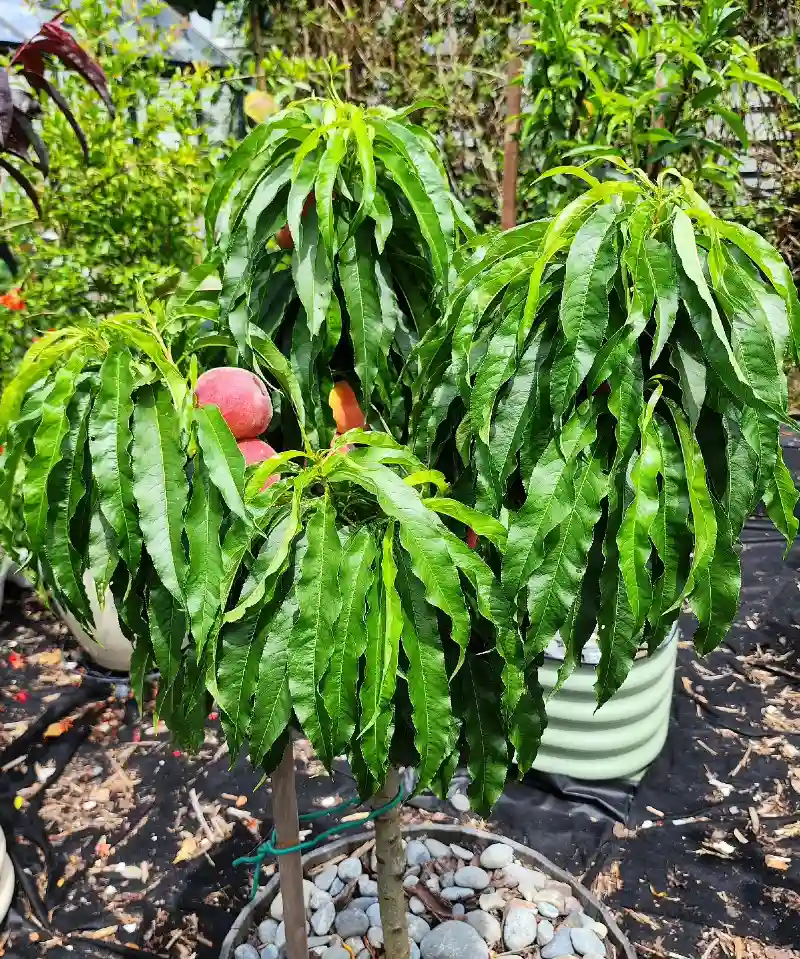
This is one of the most reliable peach varieties for home gardens. It resists common diseases and produces juicy yellow fruit. The pit falls right out of the flesh when you cut it open.
You must prune this tree heavily every year to encourage new fruiting wood. It requires around 800 chill hours during the winter to set a proper crop. You will get a massive harvest in mid summer if you treat it right.
6. Calamondin Orange
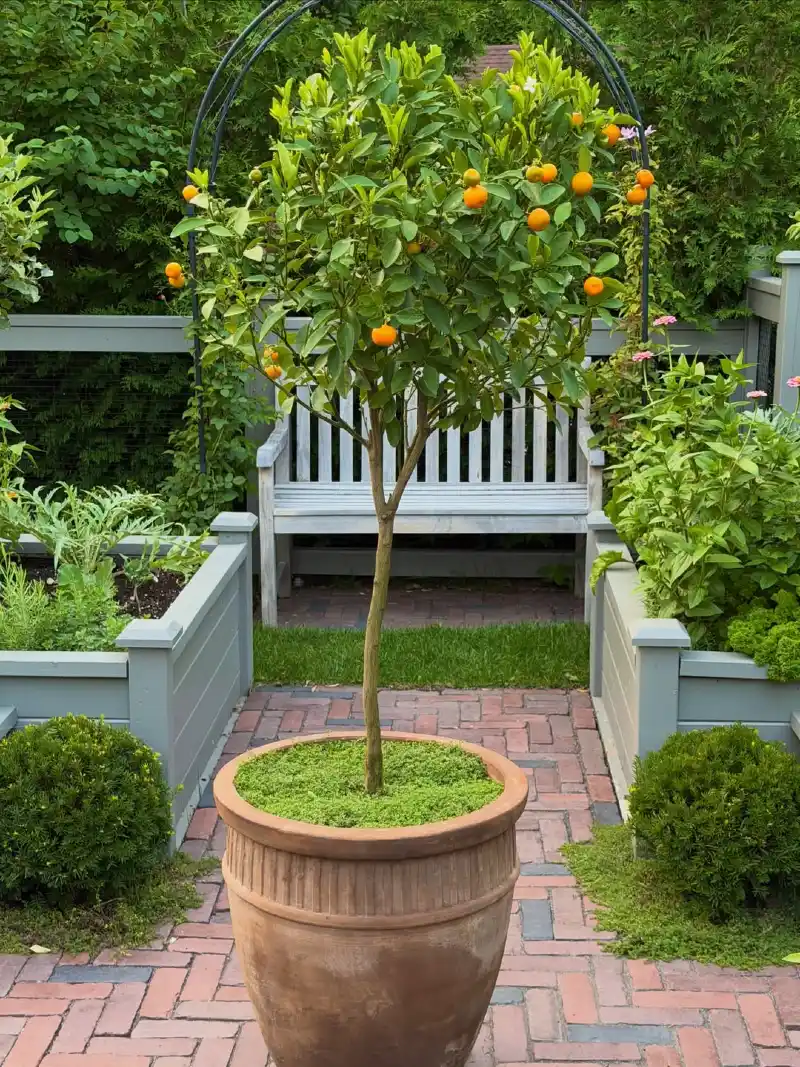
If you have virtually no outdoor space, this is your best option. It is a tiny citrus plant that tops out at three or four feet. The fruits look like miniature oranges and taste extremely sour.
Most people use the juice for marinades or make marmalade from the whole fruit. The plant looks beautiful on a balcony table or an indoor windowsill. It tolerates indoor heating much better than other citrus types.
7. Dwarf Bartlett Pear
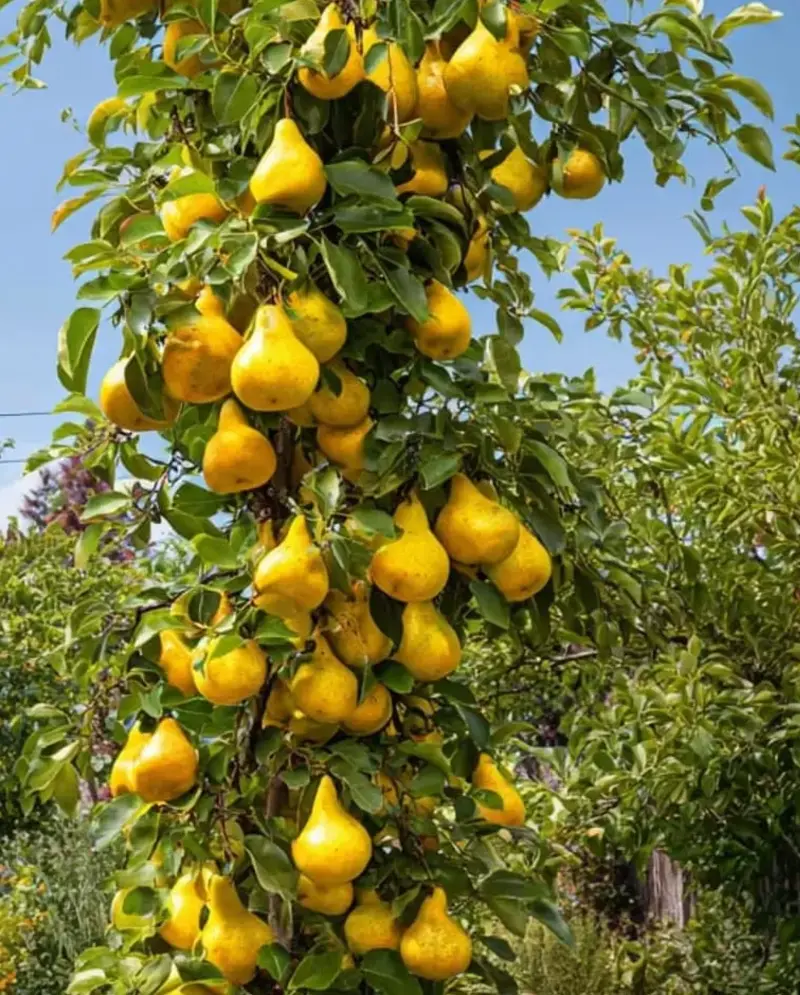
Pears grow very upright and narrow. This vertical shape makes them perfect for squeezing into tight side yards. The Bartlett variety gives you classic soft pears that are great for snacking or canning.
You will need to pick the fruit while it is still slightly green and firm. Pears ripen best off the tree on your kitchen counter. You will need a second pear variety nearby for good pollination.
8. Celeste Fig
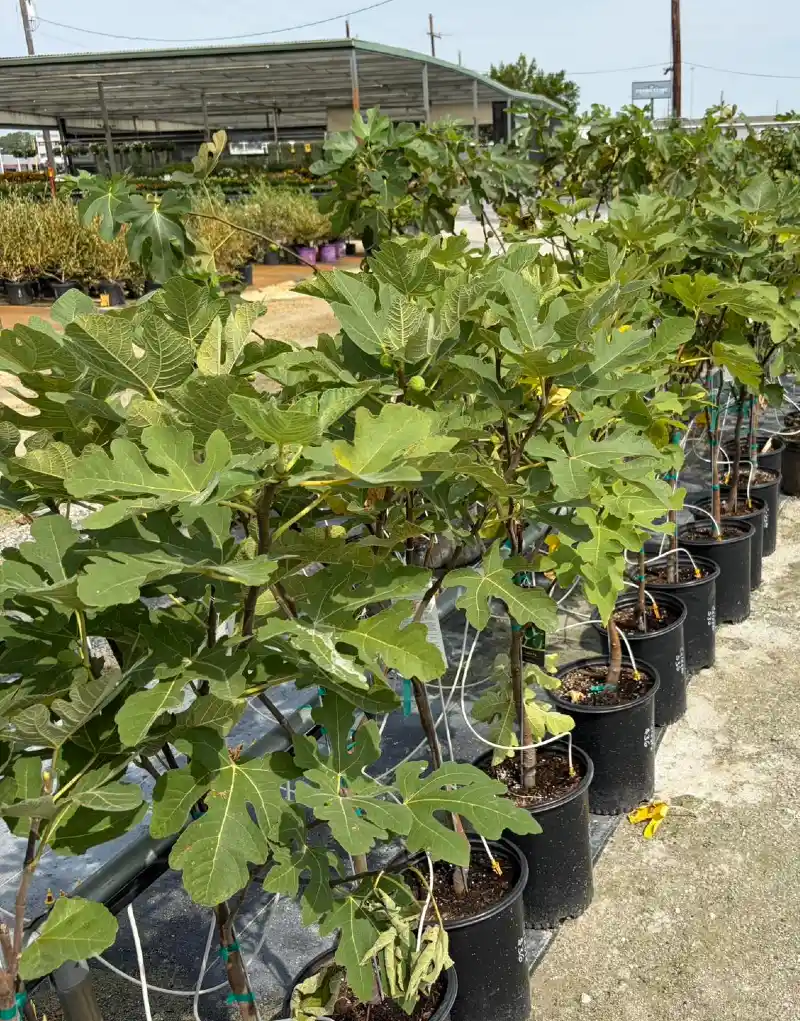
This is a fantastic option for growers in hot and humid areas. The Celeste fig has a closed eye at the bottom of the fruit. This feature keeps bugs and rain out while the fig ripens on the branch.
The tree stays relatively compact and requires very little maintenance. You will get small figs with a rich sugar flavor. It is highly resistant to common garden pests.
Many beginners buy a single tree and wonder why they never get fruit. Some plants need a partner of a different variety to set a crop. This quick guide shows which popular choices need a buddy.
| Tree Type | Pollination Need | Partner Required? |
| Peaches | Self fertile | No |
| Citrus | Self fertile | No |
| Apples | Needs cross pollination | Yes |
| Pears | Needs cross pollination | Yes |
Always check the plant tag before you bring a tree home. Buying a self fertile variety saves money and precious yard space. You only need to dig one hole to get a harvest.
9. Dwarf Santa Rosa Plum
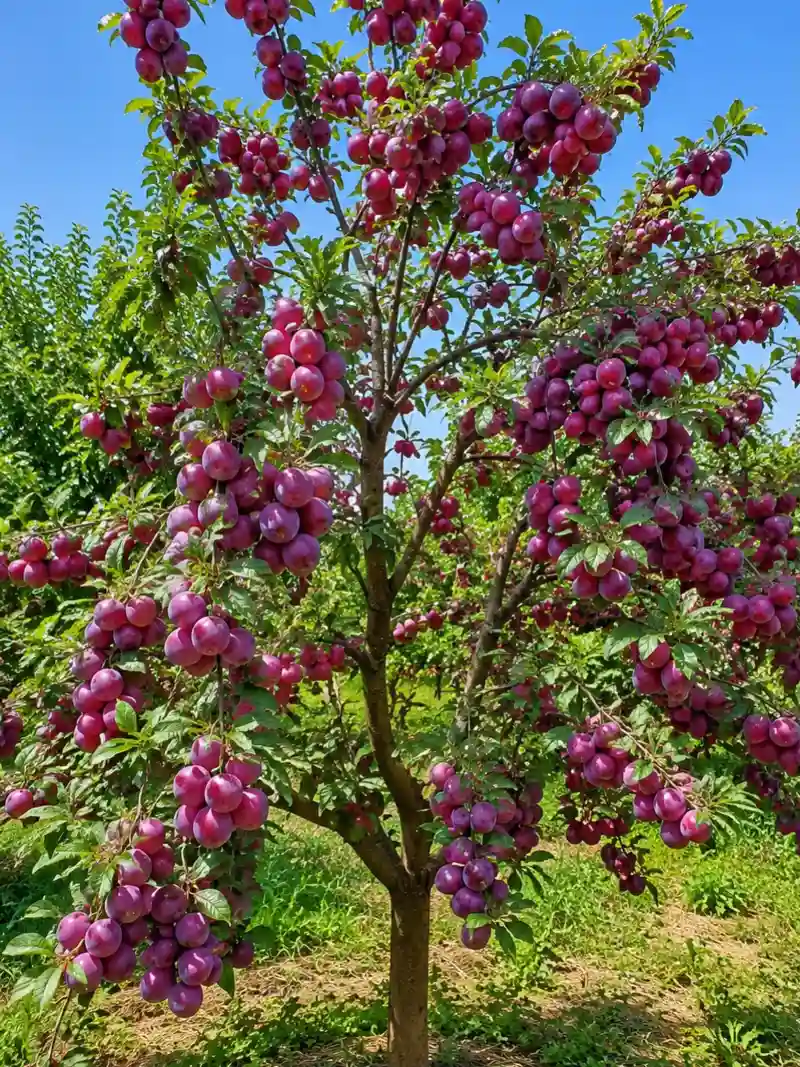
This tree grows very fast and produces beautiful reddish purple fruit. The plums have a sweet flesh and a slightly tart skin. It is a favorite among home growers for its reliable yields.
You can keep a dwarf Santa Rosa under eight feet with summer pruning. It sets a huge amount of fruit early in the season. You may need to thin the small fruits by hand so the branches do not break.
10. Arbequina Olive
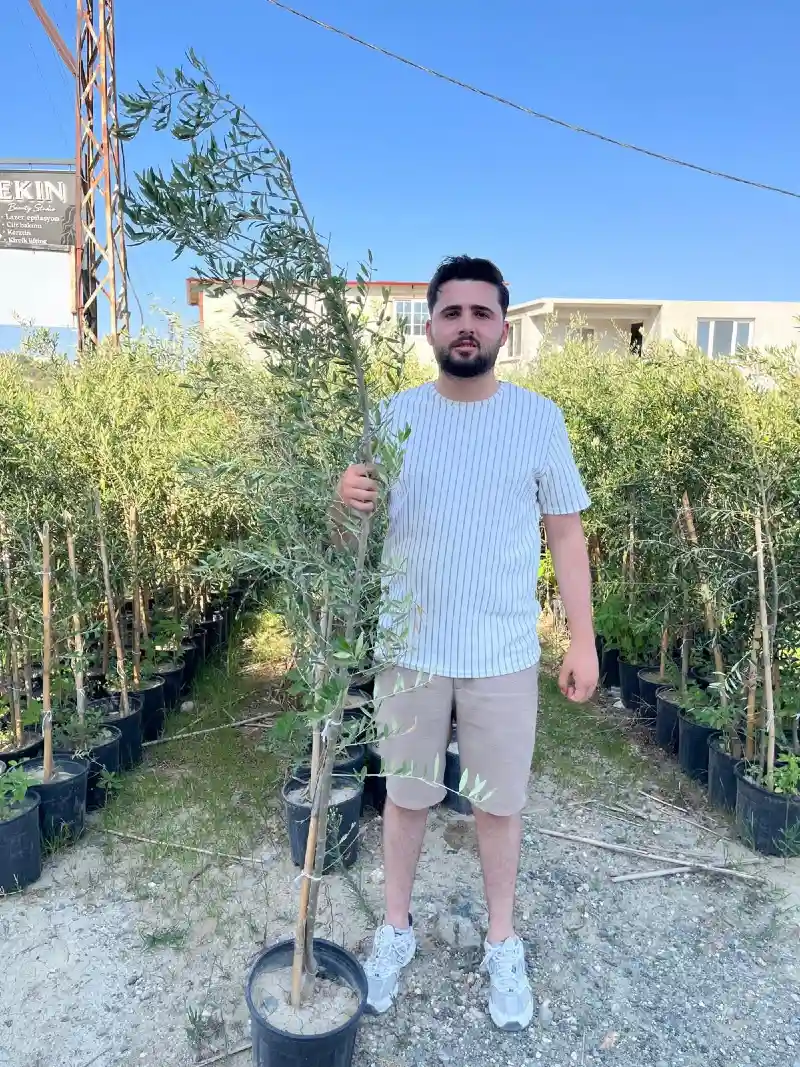
Olive trees bring a beautiful Mediterranean look to growing fruit in tiny yards. The Arbequina variety has lovely silvery green leaves. It stays small naturally and grows very slowly in a pot.
These trees are tough and can handle intense summer heat. They need very well drained soil to prevent root rot. You must cure the raw olives in brine before you can eat them.
11. Dwarf Moorpark Apricot
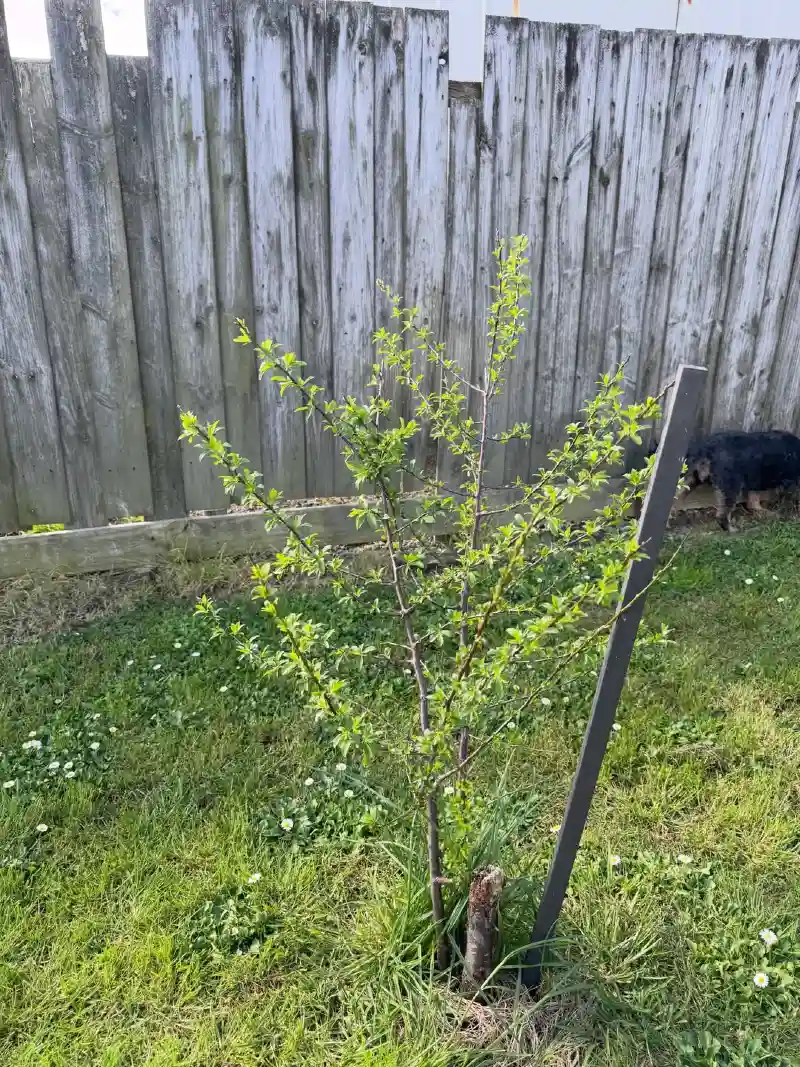
Apricots offer some of the best flavor you can get from a home garden. The Moorpark variety is famous for its rich taste and soft texture. A dwarf version fits easily into a corner of a small yard.
This tree blooms very early in the spring. A late frost can easily kill the delicate flowers and ruin your harvest. You should plant it near a warm brick wall to protect the early buds.
12. Key Lime
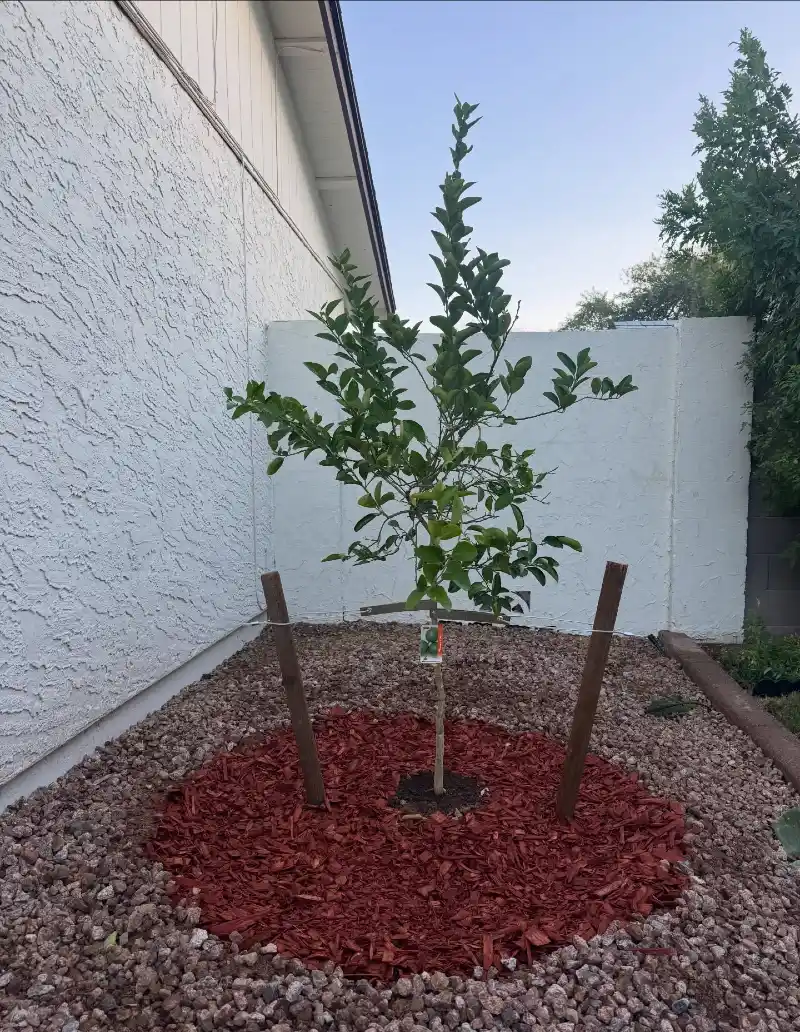
You can grow real tropical limes on your back patio. This variety produces the tiny tart limes used in famous pies and cocktails. The plant has very sharp thorns, so you must place it carefully.
Key limes cannot handle freezing temperatures at all. You must move the pot into a sunny room or greenhouse for the winter. The intoxicating smell of the flowers makes it a great indoor houseplant.
Different trees survive in very different climates. You must match the tree to your local weather patterns. This chart shows the ideal USDA hardiness zones for these small trees.
| Tree Variety | USDA Hardiness Zones | Best Climate Type |
| Meyer Lemon | Zones 9 to 11 | Warm, frost free |
| Red Haven Peach | Zones 5 to 9 | Cold winters, hot summers |
| Arbequina Olive | Zones 8 to 11 | Hot, dry, mild winters |
| Moorpark Apricot | Zones 4 to 8 | Very cold winters |
Local extension offices provide exact maps of your growing zone. Potted plants are always more vulnerable to cold than plants in the ground. You should subtract one zone of hardiness for any tree kept in a container outside.
13. Dwarf Pomegranate
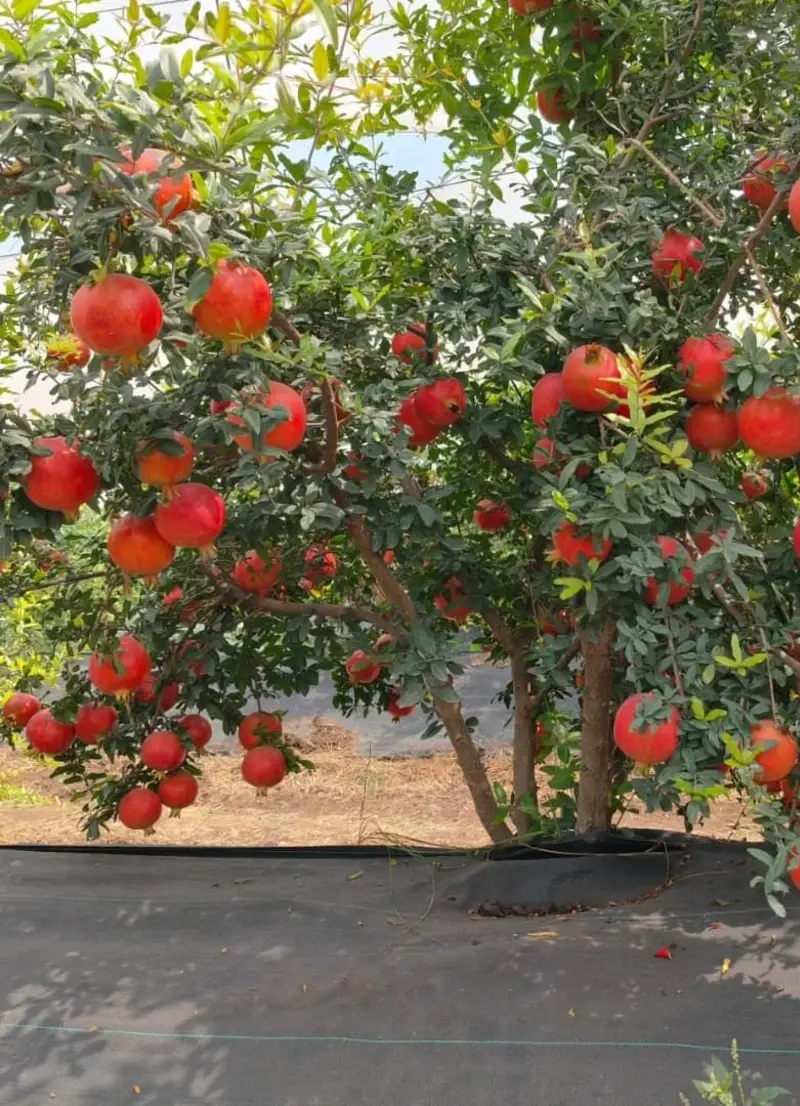
This is an ornamental powerhouse that also gives you food. The dwarf pomegranate produces brilliant orange flowers all summer long. It tops out at just three or four feet tall.
The fruits are much smaller than grocery store pomegranates. They still contain the same sweet seeds inside the tough skin. It handles dry soil incredibly well once it is established.
14. Fuyu Persimmon
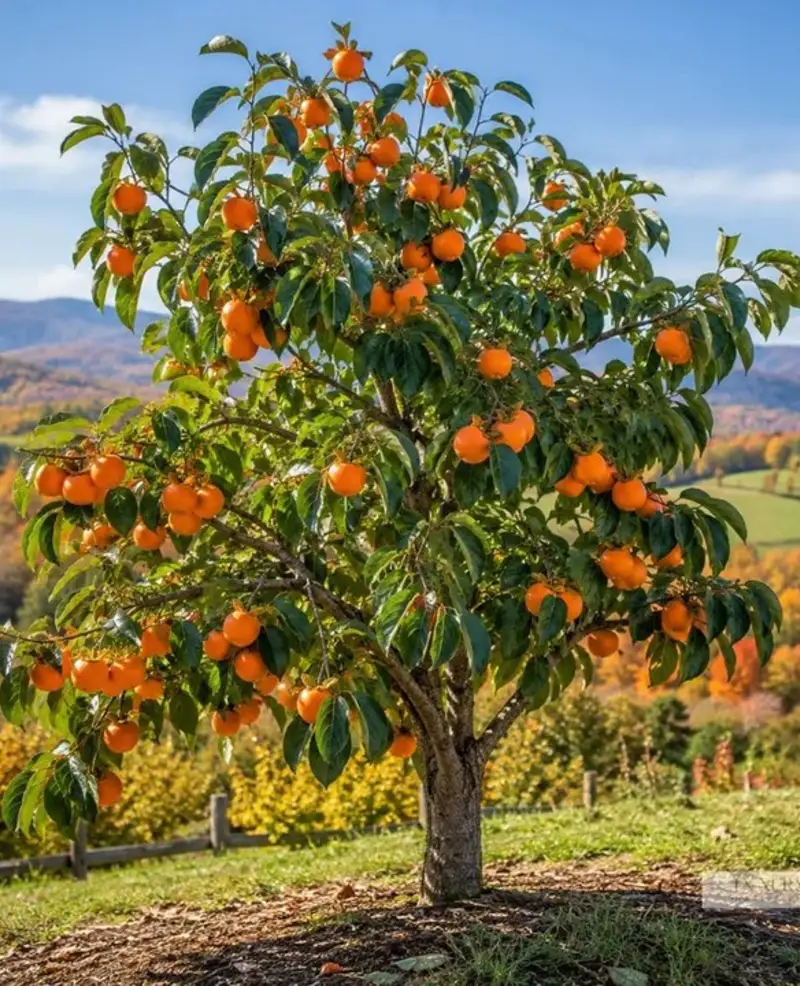
Persimmon trees are stunning landscape plants that just happen to produce food. The leaves turn bright orange and red in the fall. The bright orange fruits hang on the bare branches well into winter.
The Fuyu variety is firm and sweet right off the tree. You do not have to wait for it to get mushy before eating it. It has very few pest problems and requires almost no spraying.
15. Dwarf Everbearing Mulberry
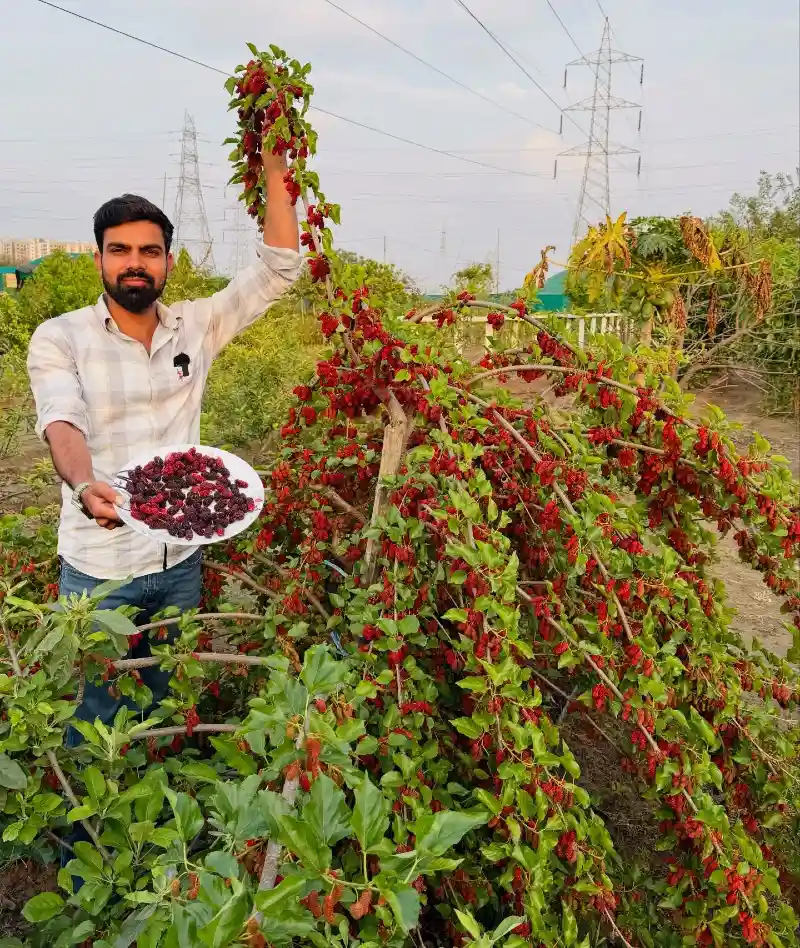
Mulberries usually grow into massive shade trees that drop messy fruit everywhere. This dwarf variety acts more like a large bush. You can easily keep it at a height of six feet with pruning.
It produces long dark berries continuously throughout the summer. The flavor is a mix of blackberry and raspberry. Kids love picking them straight off the branches in the yard.
Patience is a major part of gardening. Some trees give you fruit in the first year, while others make you wait. This table shows the average timeline from planting to your first real crop.
| Tree Type | Years to First Fruit | Growth Speed |
| Citrus | 1 to 2 years | Moderate |
| Figs | 1 to 2 years | Very Fast |
| Apples | 3 to 5 years | Moderate |
| Olives | 4 to 6 years | Slow |
Buying a larger tree from the nursery will save you a year or two of waiting. You should still remove any fruit that forms in the first summer. This forces the plant to build a strong root system instead.
16. Nagami Kumquat
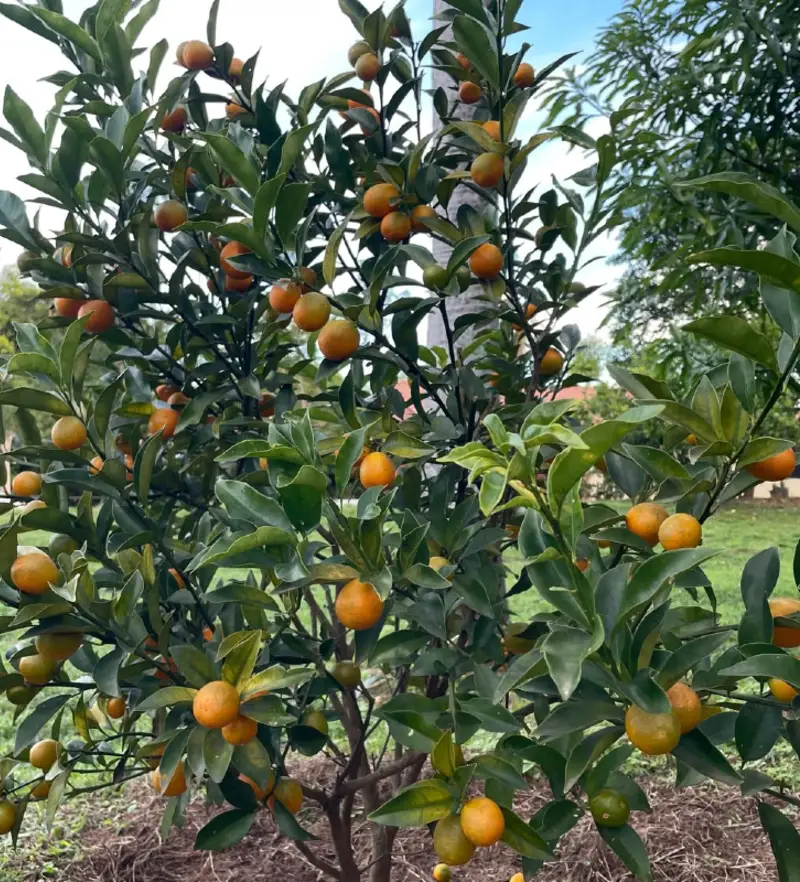
This is the ultimate bite sized patio fruit. The Nagami kumquat tree grows slowly and stays very bushy and compact. The little orange fruits are totally unique because the peel is sweet and the juice is sour.
You pop the entire fruit in your mouth without peeling it. The tree looks gorgeous covered in bright orange fruits against dark green leaves. It is one of the most cold hardy citrus varieties available.
Growing your own food in a tight space is completely possible. You do not need a farm to enjoy fresh apples, figs, or lemons. You just need a sunny spot, a big pot, and a little bit of patience.
Start with just one or two trees that fit your climate zone. Water them deeply and prune them once a year to keep them small. You will soon have a beautiful tiny orchard right outside your window.
