

You spend all weekend pulling weeds. By Wednesday, new green shoots pop up in the exact same spots. You might feel tempted to buy a jug of chemical weed killer from the hardware store. But you do not need expensive synthetics to reclaim your yard.
Your kitchen cabinets already hold everything you need to fix this problem. Let us look at a few safe options. Here are seven household items for weed control that work better than the store bought stuff.
1. Boiling Water to Cook Plant Roots
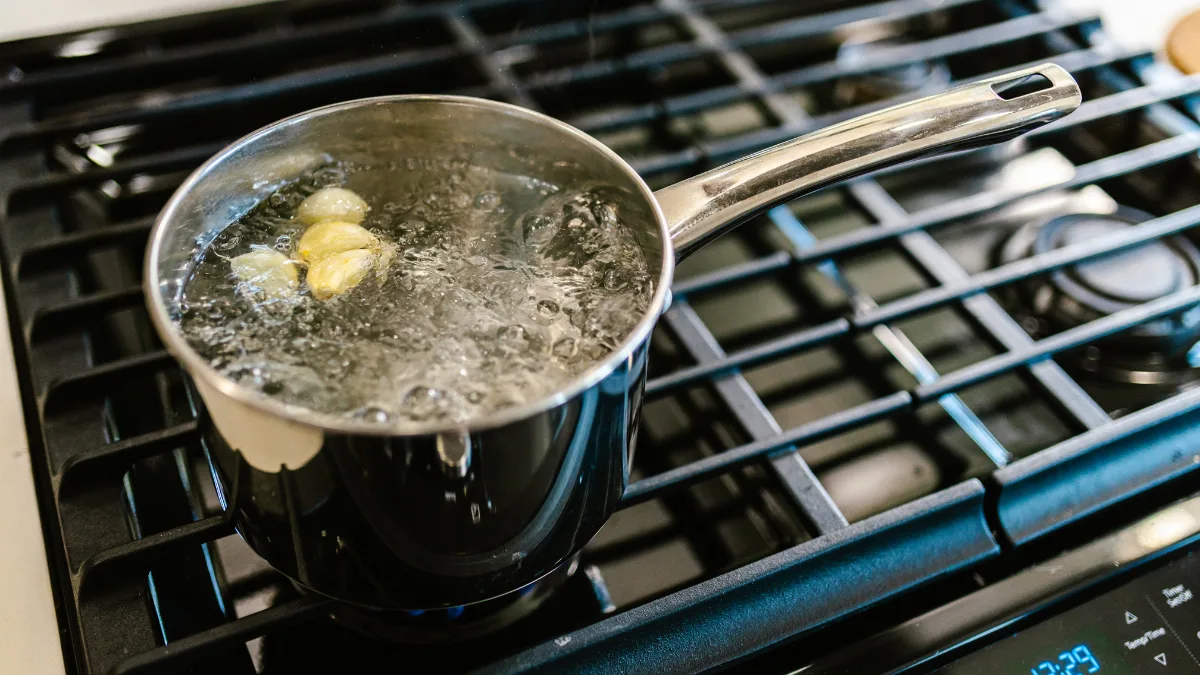
Heat is the cheapest and fastest way to destroy unwanted plants. Boiling water literally cooks the plant tissue and denatures the proteins inside the leaves. The Pueblo County Extension notes that boiling water works incredibly well for weeds growing in sidewalk cracks. You just put a kettle on the stove and pour the hot water directly over the crown of the plant.
This method leaves zero residue behind. It will not harm your pets or pollute the local groundwater. But you must be careful when carrying heavy pots of boiling liquid outside. Wear sturdy shoes and pour slowly to avoid splashing your legs.
2. White Vinegar for Burning Young Leaves

Vinegar strips the protective coating off plant leaves. The acid breaks open the cell walls and causes the weed to dry out in the hot sun. Standard household white vinegar contains about five percent acetic acid. This mild concentration works great on tiny weeds that just sprouted.
If you have tougher plants, you need something stronger. Colorado State University Extension experts suggest using horticultural vinegar for stubborn garden invaders. This product contains twenty percent acetic acid and packs a serious punch. You must wear gloves and safety glasses when handling it because it can irritate your skin.
How the two options compare for yard work. Choose the right strength for your specific weed problem.
| Vinegar Type | Acetic Acid Concentration | Best Target Use |
| Kitchen White Vinegar | 5 Percent | Young annual weeds and tiny sprouts |
| Cleaning Vinegar | 6 to 8 Percent | Walkway cracks and medium sized weeds |
| Horticultural Vinegar | 20 Percent | Tough perennial weeds and thick patches |
Stronger acid means faster results on thick weeds. Just remember that vinegar does not travel down into the root system. You might have to spray deep rooted weeds two or three times before they finally give up.
3. Plain Cardboard to Smother Entire Beds
Sometimes you need to clear a massive area overgrown with weeds. Pulling them all by hand would take days of backbreaking labor. Plain brown cardboard blocks the sunlight and stops weed growth completely. The Natural Gardener center recommends a method called sheet mulching to start fresh garden beds.
You just lay overlapping pieces of cardboard directly over the grassy or weedy patches. Remove all the packing tape and metal staples first. Then you cover the cardboard with two inches of wood chips or compost. The cardboard slowly breaks down and feeds the earthworms in your soil.
This completely eliminates the need for tilling or spraying chemicals. You can plant right through the cardboard by cutting a small hole for your new flowers. The dead weeds underneath eventually rot and turn into free fertilizer for your new plants.
4. Corn Gluten Meal to Stop Seeds

Killing existing weeds only solves half of the problem. Millions of tiny weed seeds blow into your yard every single day. Corn gluten meal stops those seeds from sprouting in the first place. This powdery byproduct of the corn milling process acts as a natural preemergent barrier.
The Farmers Almanac suggests applying corn gluten meal in the early spring before the soil warms up. You simply spread it over your lawn and water it in gently. It stops root formation in germinating seeds. Your yard also gets a nice boost of natural nitrogen fertilizer in the process.
Timing matters heavily with this household product. Apply it during the right season to see the best results.
| Method | Best Time to Apply | Target Weed Type |
| Corn Gluten Meal | Early Spring | Unsprouted weed seeds |
| Boiling Water | Anytime | Small crack weeds |
| Cardboard Mulch | Late Fall | Overgrown grassy areas |
Corn gluten prevents all seeds from growing for about six weeks. Do not use this product in your vegetable garden if you plan to plant seeds soon. It will stop your carrots and radishes from sprouting just like it stops the weeds.
5. Table Salt for Permanent Clearing
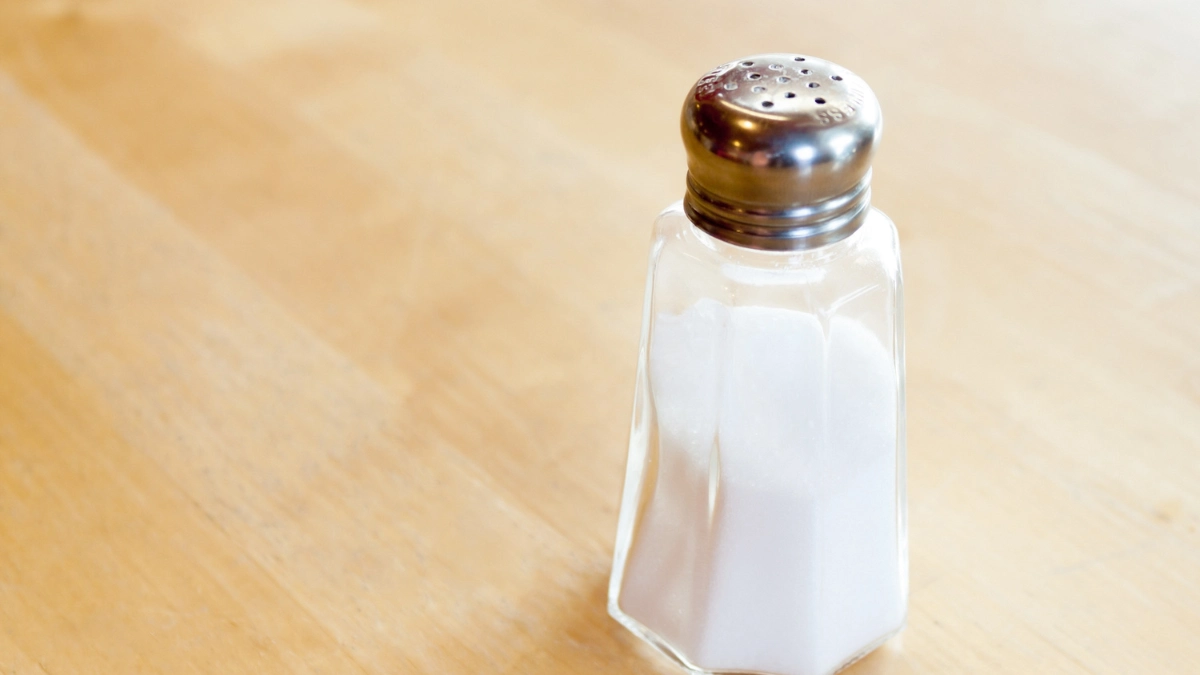
Salt dehydrates plants and makes the surrounding soil completely uninhabitable. This makes it an incredibly powerful weed killer for specific areas. The Pueblo County Extension warns that salt ruins soil for several months. You should only use it in places where you never want anything to grow again.
A pinch of table salt at the base of a weed works wonders on brick patios. It keeps gravel driveways completely clear of vegetation all summer long. You must use this item very carefully. Heavy rain can wash the salt into your flower beds and kill your favorite roses.
You need to match your weed killer to the location. Some household items cause permanent changes to the dirt.
| Household Item | Soil Impact | Safe for Garden Beds |
| Table Salt | Ruins soil for months | No |
| White Vinegar | Temporarily lowers pH | Yes |
| Boiling Water | Cooks surface soil life | Yes |
Always keep salt away from your lawn and vegetable plots. Reserve this aggressive treatment strictly for pavement cracks and stone walkways. You will never have to pull weeds from your driveway again.
6. Baking Soda to Dry Out Intruders

Baking soda offers another excellent way to attack weeds growing in hardscape areas. This common baking ingredient pulls moisture out of plant cells. You just sprinkle a heavy layer of the white powder over the weed leaves. Then you lightly mist the area with water from your garden hose.
The baking soda sticks to the foliage and slowly burns the plant tissue. It works exceptionally well in hot and dry weather conditions. You will usually see the weeds shrivel up and turn brown within two days. The dead plants sweep away easily with a stiff outdoor broom.
You should reapply the powder after a heavy rainstorm washes it away. Keep the powder localized to avoid changing the pH of your good garden soil. It costs pennies per application and saves you hours of manual labor.
7. Liquid Dish Soap to Make Sprays Stick

Many natural weed sprays fail because they roll right off the waxy plant leaves. Liquid dish soap solves this frustrating problem instantly. It breaks the surface tension of the water and helps your sprays coat the foliage evenly. You only need a few drops to make a massive difference.
Try adding a squirt of plain dish soap to your vinegar weed spray. The soapy mixture clings to the weed leaves and gives the acid time to work. Many experts recommend using a basic soap without heavy antibacterial chemicals or harsh degreasers. Standard castile soap or basic dish washing liquid works best.
You can keep a spray bottle of this mixture near your back door. Give stray weeds a quick spritz whenever you walk out to check the mail. A tiny bit of soap turns ordinary vinegar into a professional grade lawn care tool.
You have plenty of powerful options right inside your home. Boiling water and cardboard can fix massive weed problems for free. Products like corn gluten meal stop the weeds before they even start growing. You just have to pick the right method for your specific situation.
Ditching chemical herbicides keeps your yard safer for your family and the local wildlife. Try testing one of these simple items on your patio this weekend. You will save money and enjoy a beautiful yard with zero toxic residue. Grab a kettle or a box of baking soda and start taking back your garden today.
