
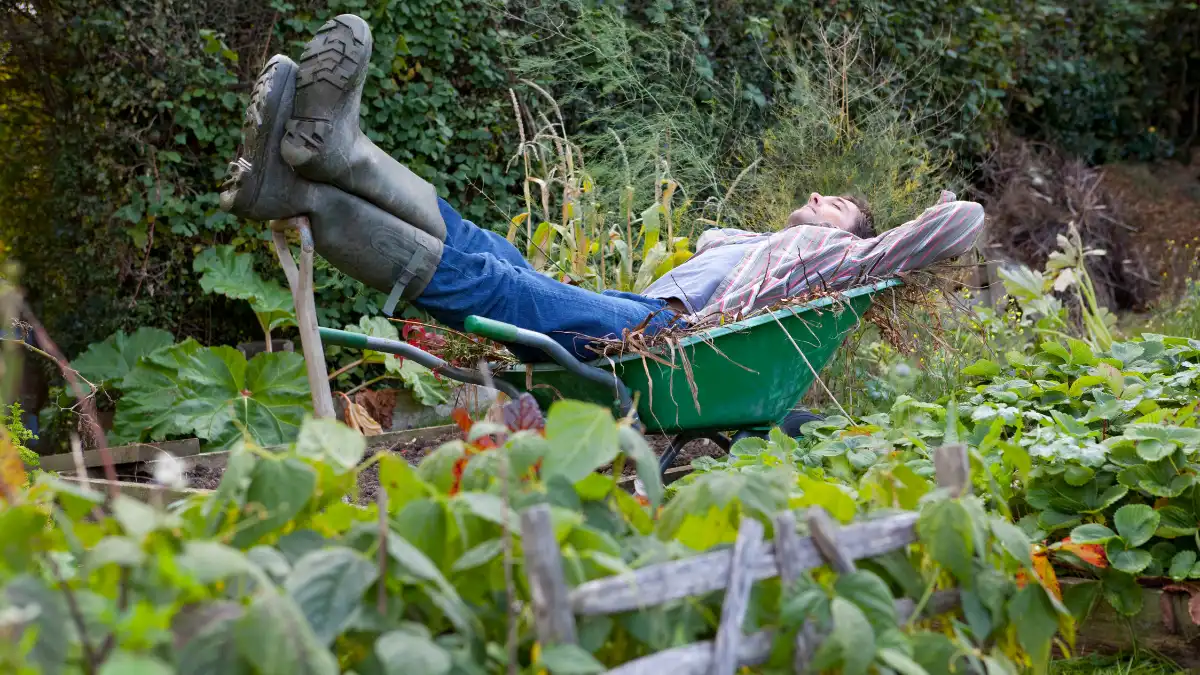
Gardening takes a lot of time and physical effort. Most people want a beautiful yard but do not want to spend their entire weekend pulling weeds in the hot sun. You can still get amazing results with a fraction of the hard work.
These lazy gardening tips will help you enjoy your outdoor space without the constant labor.
1. Plant Perennials Once for Yearly Blooms
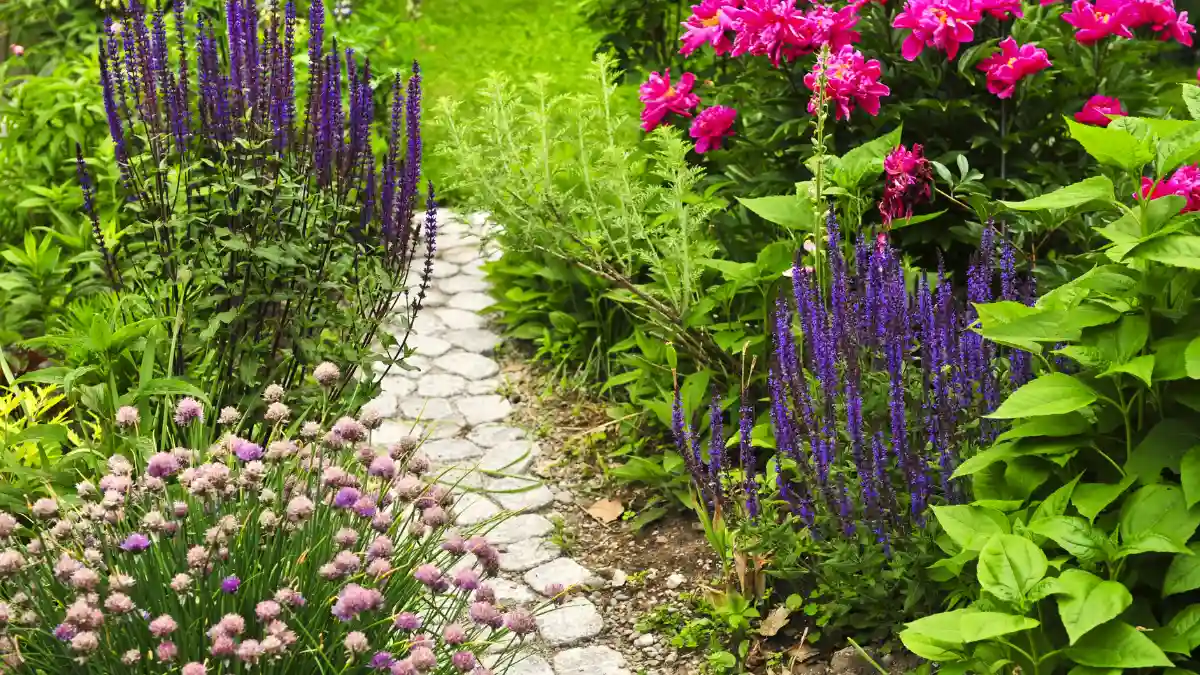
Annual flowers require fresh planting every single spring. This costs you both money and hours of backbreaking work in the dirt. Perennials come back on their own year after year with almost no help from you. You just plant them once and watch them grow bigger every season.
Picking the right plants makes a massive difference in your workload. Here is a quick look at common flower types to help you choose.
| Plant Type | Effort Level | Lifespan |
| Perennials | Low | Returns every year |
| Annuals | High | Dies after one season |
| Biennials | Medium | Lives for two years |
Perennials clearly win for the lazy gardener. They establish deep root systems and handle summer heat much better than fragile annuals.
2. Automate Your Watering Schedule
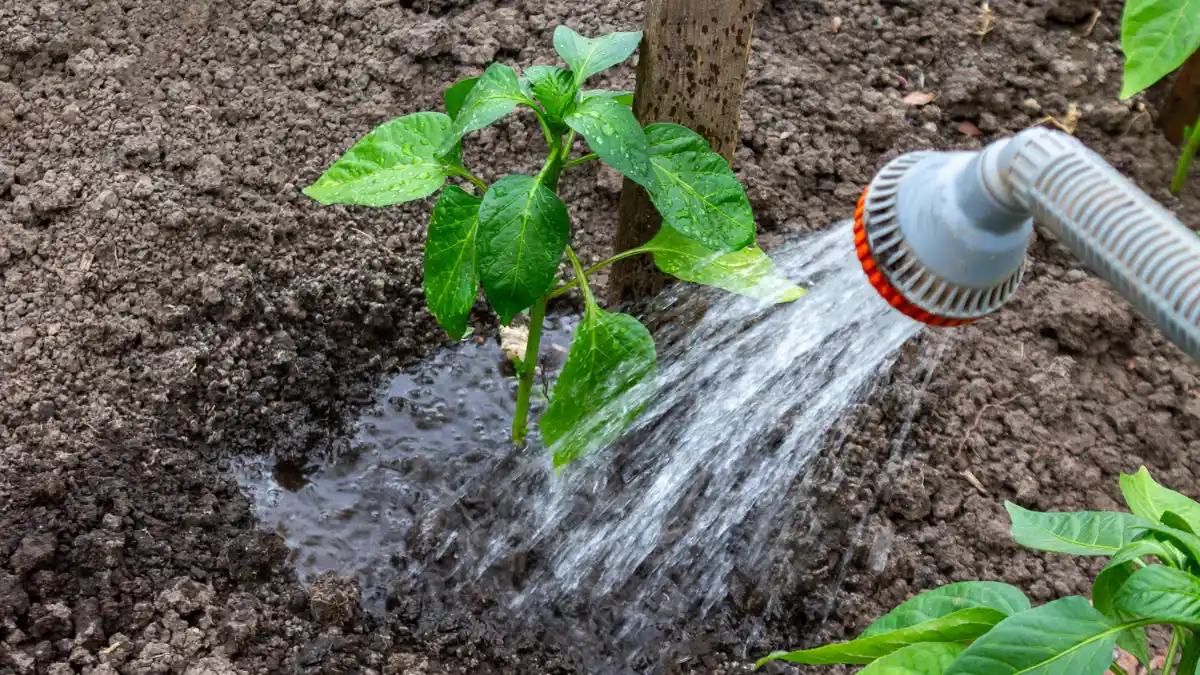
Standing outside with a hose takes up way too much of your free time. You can fix this easily by setting up a drip irrigation system with a basic battery timer. Brands like Rain Bird sell simple kits you can attach right to your outdoor faucet. The water goes directly to the plant roots exactly when they need it most.
3. Mulch Everything to Stop Weeds
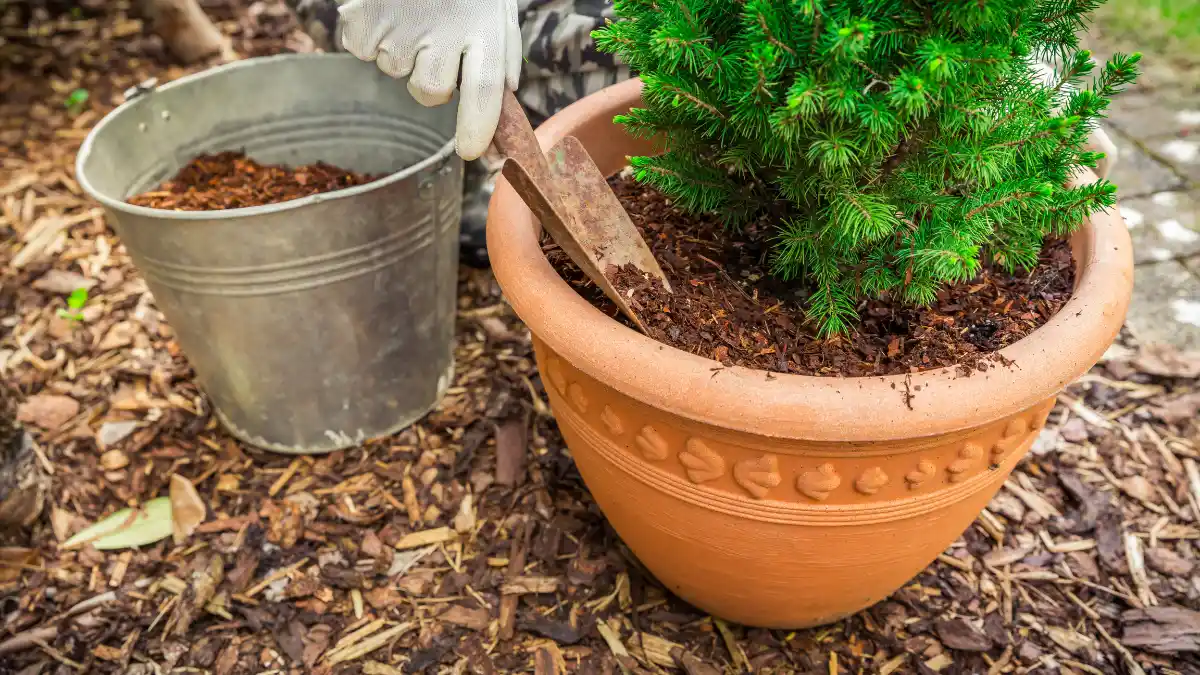
Weeding is the absolute worst part of keeping a garden looking nice. A thick layer of mulch blocks the sun so weed seeds cannot sprout in your dirt. Mulch also holds moisture in the ground so you have to water less often. Wood chips or shredded bark are great choices for large flower beds.
You have a few different options for covering your bare soil. Look at these common materials to see what fits your specific yard space.
| Material | Best For | Maintenance Level |
| Wood Chips | Flower beds | Low |
| Clean Straw | Vegetable gardens | Medium |
| River Rock | Pathways | Very Low |
Wood chips break down slowly and actually improve your soil quality over time. You just need to add a fresh layer every other year to keep things looking tidy.
4. Choose Native Plants That Thrive Alone

Plants native to your area already know exactly how to survive your local weather. They do not need extra fertilizer or constant watering to stay alive and look good. The National Wildlife Federation points out that native plants naturally resist local pests and common plant diseases. You save money on chemical sprays and spend zero time fighting bugs.
5. Leave the Leaves for Free Fertilizer
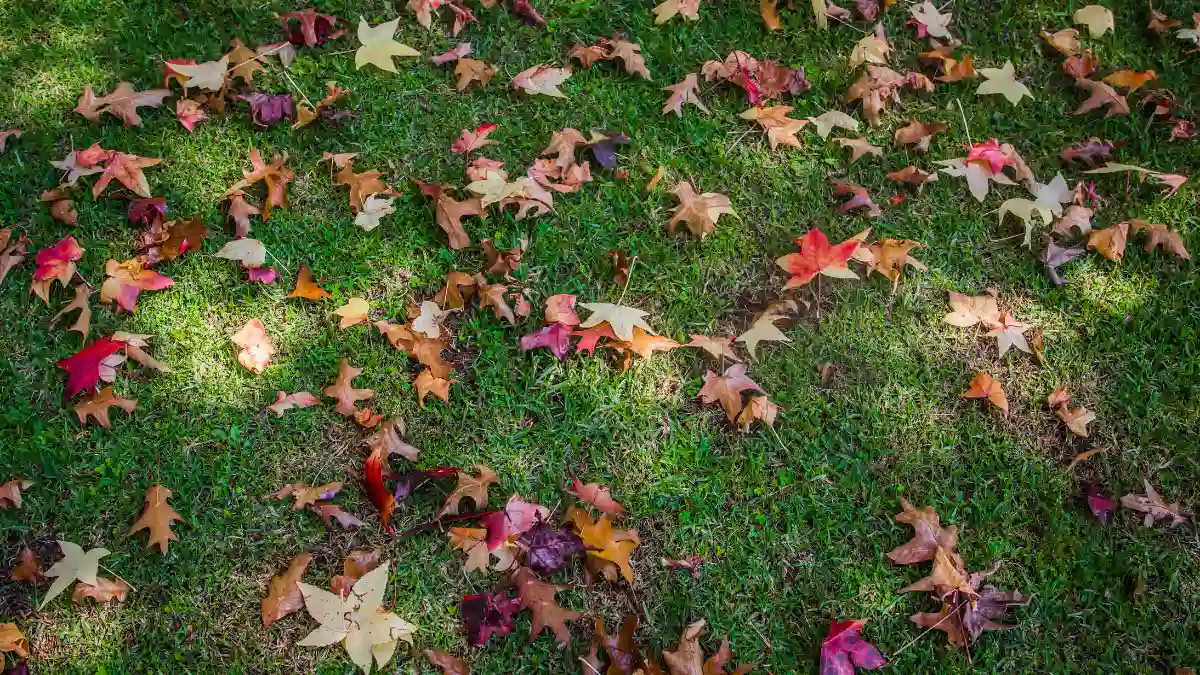
Raking dead leaves in the fall is a massive waste of your energy. Those fallen leaves actually make perfect natural fertilizer for your grass and garden beds. You can just run over them with your lawn mower to chop them into smaller pieces. The broken pieces break down over the winter and feed your soil for free.
6. Grow Vegetables in Containers
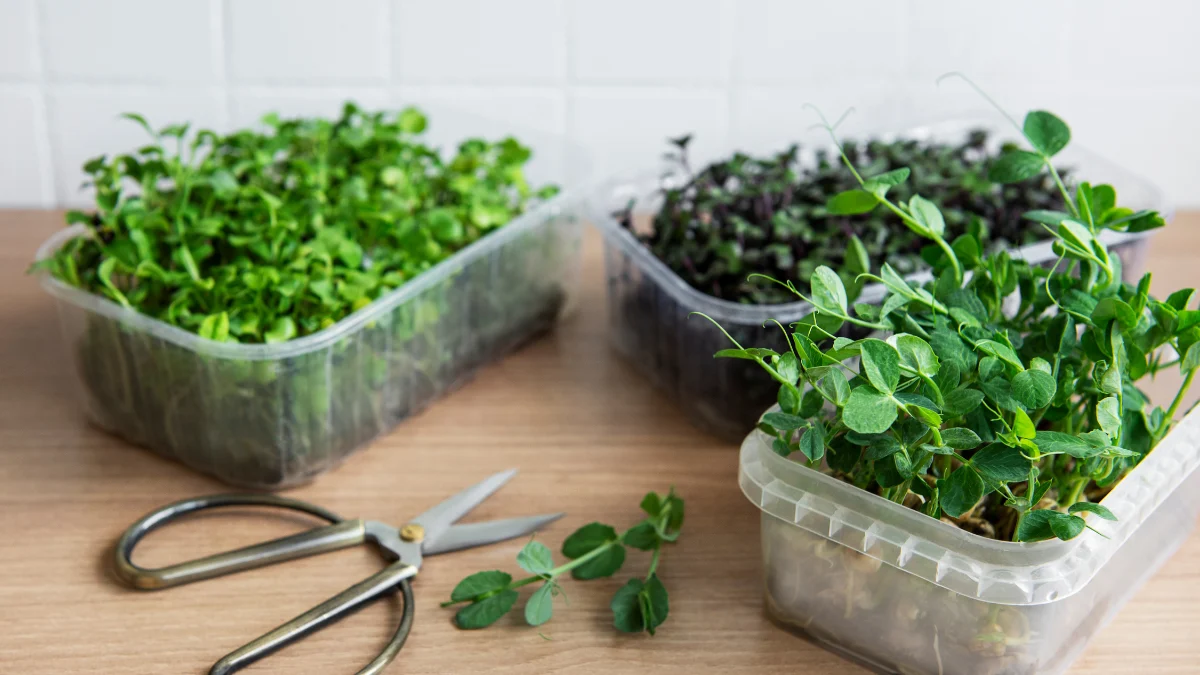
Big vegetable gardens require constant weeding and heavy digging with a shovel. Growing your fresh food in pots or raised beds is a much easier project. You completely control the soil quality and keep the creeping weeds out. Potted plants are also much closer to your kitchen door for easy harvesting.
Some vegetables are much easier to grow in pots than others. Check this short list before you buy your spring seeds.
| Vegetable | Container Size | Effort Level |
| Radishes | Small pot | Very Low |
| Bush Beans | Medium pot | Low |
| Cherry Tomatoes | Large pot | Medium |
Radishes and bush beans practically grow themselves in a small sunny space. You get fresh food fast without managing a giant backyard dirt patch.
7. Try Winter Sowing in Milk Jugs
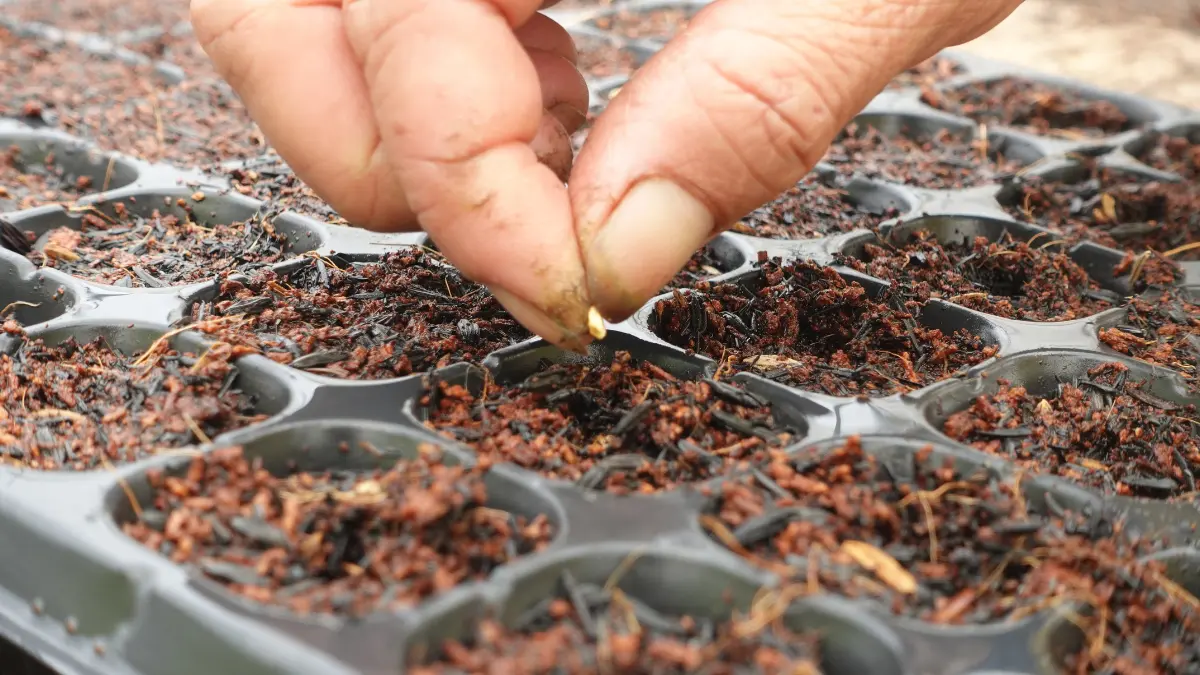
Starting seeds indoors requires expensive grow lights and careful daily watering. You can use empty plastic milk jugs to create mini greenhouses outdoors instead. You just plant the seeds in the dirt-filled jugs during winter and let the snow do the work. The tough little plants sprout naturally in spring when the weather finally gets warm enough.
8. Ignore the Lawn and Let Clover Grow
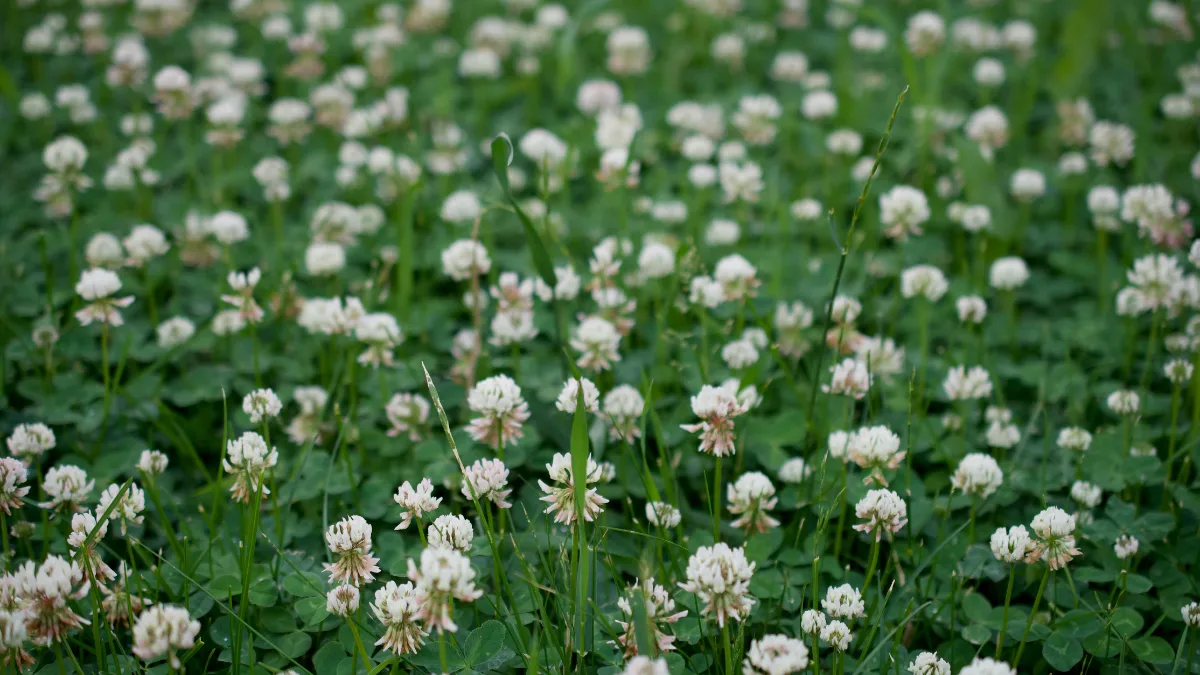
A perfect green grass lawn demands endless weekly mowing and expensive chemical treatments. Clover stays low to the ground and rarely needs a trim from the mower. It also pulls natural nitrogen right from the air to feed itself and the surrounding plants. Letting clover take over your yard gives you your summer weekends back.
9. Accept Helpful Insects Instead of Spraying
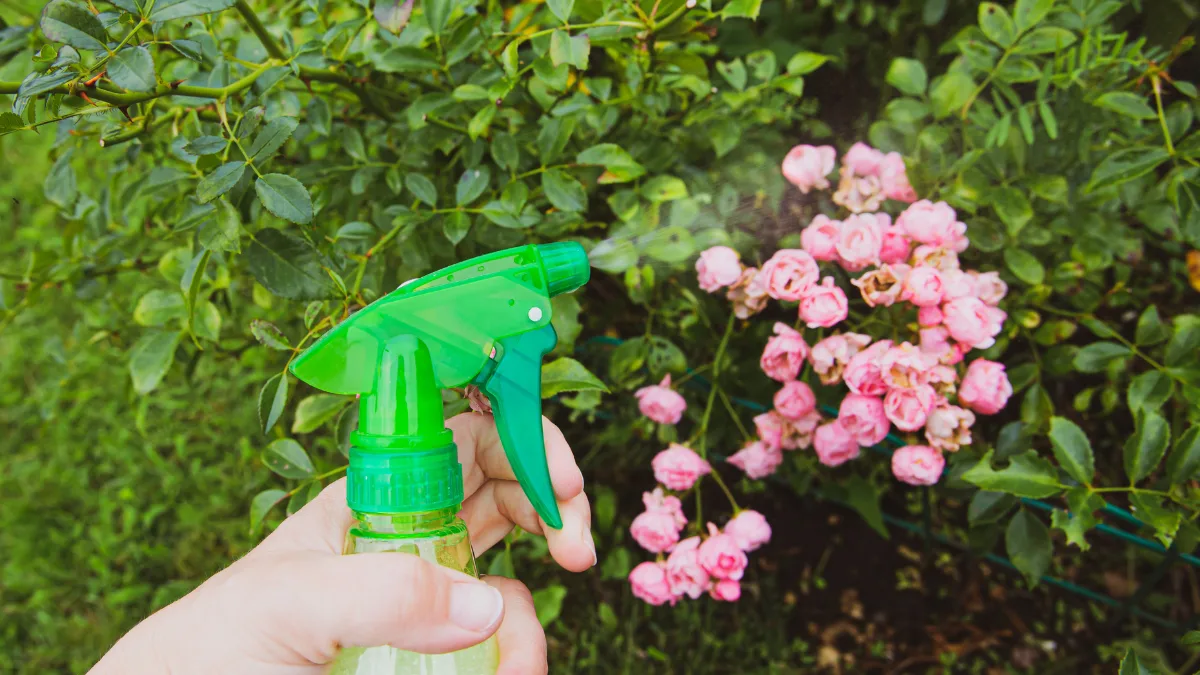
Chasing every bug with a spray bottle is both exhausting and expensive. Most insects in your garden are actually there to help you out. Ladybugs and praying mantises eat the bad bugs that destroy your favorite plants. You can just let nature balance itself out while you relax on the back porch.
10. Plant Ground Covers Instead of Grass
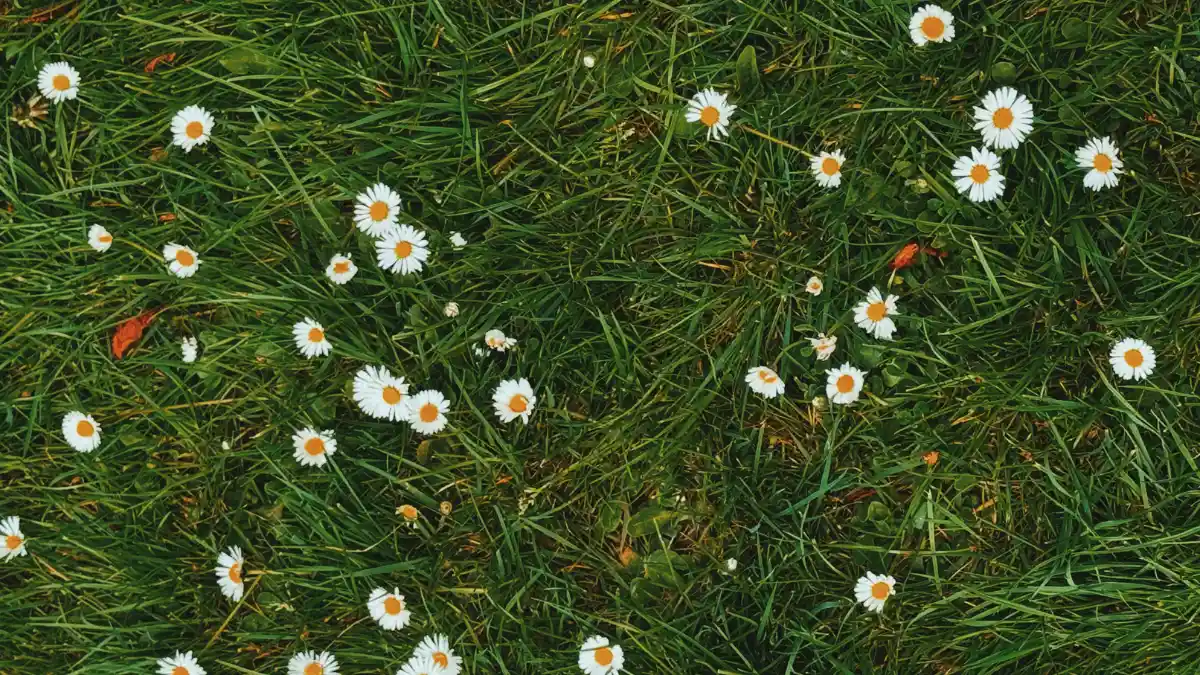
Grass always struggles to grow in dark spots and under large shade trees. You end up wasting time planting expensive grass seed that just dies a month later. Creeping thyme or sweet woodruff will fill those empty dirt spots fast. They block out weeds entirely and never require a lawnmower to look amazing.
11. Buy Established Plants Over Seeds
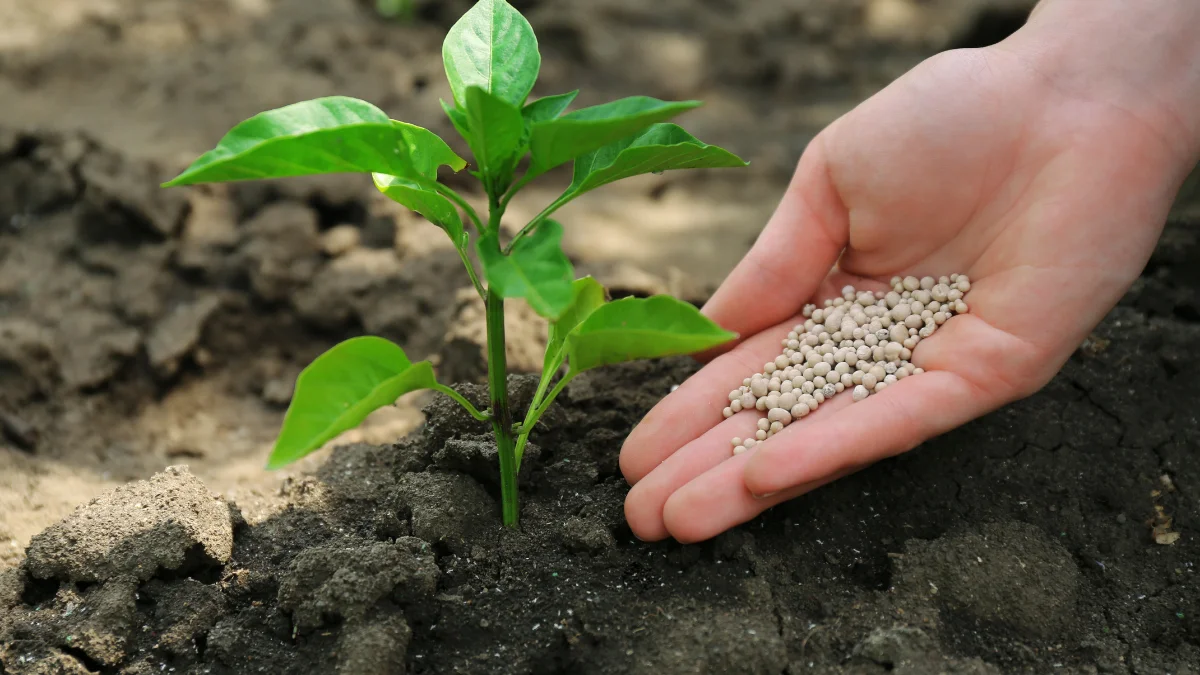
Seeds are cheap but they require a lot of waiting and careful attention. Tiny seedlings die very easily if you forget to water them for just one single day. Buying larger plants from a local nursery guarantees immediate green results in your yard. The bigger root systems help them survive tough weather right from the very start.
You really do not need to work hard to get a nice yard. These low maintenance gardening habits give you more time to actually enjoy the outdoors. Pick just one or two time saving ideas from this list to try this weekend. Your garden will look great and your tired back will thank you.
