

You want to grow your own food, but staring at a blank patch of dirt is overwhelming. Many new growers make the mistake of planting seeds wherever they find an empty spot. By July, their yard turns into a tangled jungle of weeds, shaded out plants, and wasted space. A chaotic layout leads to small harvests and deep frustration.
Having a solid plan changes everything. When you map out your beds before you dig, you give every plant the exact sunlight and root space it needs to thrive. Proper spacing naturally chokes out weeds and makes watering much easier. Plus, the financial payoff is huge. Recent data shows American food gardeners save an average of $875 a season just by growing their own produce.
You do not need acres of land to see those kinds of results. Whether you have a sunny apartment balcony or a sprawling suburban lawn, there is a layout designed for your exact footprint. You just need to match the right growing style to your available space.
Before we look at the specific plans, let us match your current living situation to the right gardening style. This will help you narrow down your choices quickly. Review the options below to find your starting point.
| Your Yard Space | Best Layout Plan | Main Benefit |
|---|---|---|
| Apartment Balcony | 2×4 Balcony Plan | Uses vertical space and light containers. |
| Small Suburban Backyard | 4×4 Square Foot Grid | Maximizes yields in very tight footprints. |
| Large Open Lawn | Traditional Rows | Gives big crops room to spread out. |
| Community Plot | 10×10 Grid | Fits multiple crop types into one shared space. |
Now let us look at the specific plans. Here are 16 easy vegetable garden layout plans for every yard size.
1. Use Traditional Rows to Maximize Large Plots
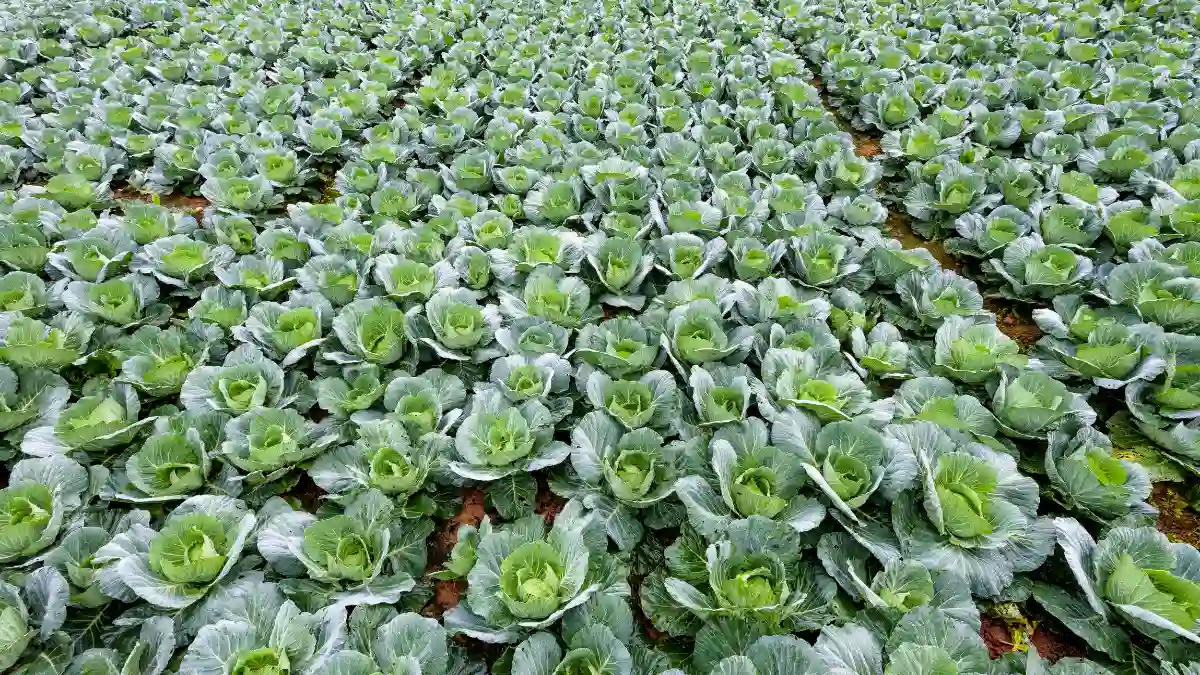
If you have a large, open yard, traditional row planting is the easiest way to start. You run crops in parallel lines with wide dirt pathways between each row. This layout makes a lot of sense if you need to push a wheelbarrow through the garden. It is also perfect for running simple drip irrigation lines straight down the dirt.
Row planting works best for single crop growing and large sprawling plants. Sweet corn, pumpkins, and potatoes need plenty of room to spread their roots. Just be aware that pathways will eat up a large portion of your total growing area. Eartheasy notes that leaving at least two feet between rows gives you plenty of room to weed and harvest comfortably.
2. Map a Square Foot Grid to Double Small Space Yields
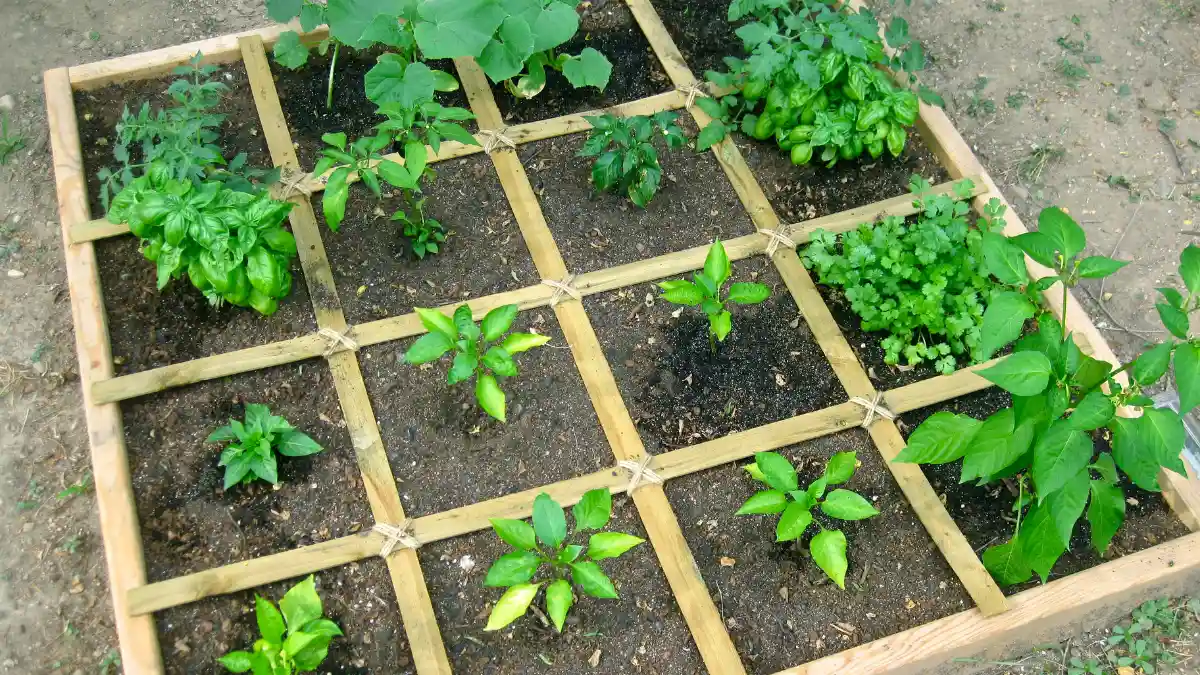
Square foot gardening is a brilliant system invented by Mel Bartholomew in 1981. You divide a standard raised bed into a grid of one foot squares. Instead of planting in long rows, you place a specific number of plants into each square based on their mature size. This method easily produces up to five times more food than a conventional row setup.
A square foot garden plan. Source: VegPlotter
You never have to guess about spacing again. Large plants take up a whole square, while smaller plants get bundled together. You waste absolutely zero space on dirt pathways inside the bed. The soil stays covered, which traps moisture and blocks weed seeds from sprouting.
Getting the math right is simple once you know the basic plant sizes. You only ever put 1, 4, 9, or 16 plants in a single square. Use this quick guide to map out your grid.
| Plants per Square | Example Vegetables |
|---|---|
| 1 Plant | Tomatoes, Peppers, Broccoli, Cabbage |
| 4 Plants | Leaf Lettuce, Swiss Chard, Basil |
| 9 Plants | Bush Beans, Spinach, Beets |
| 16 Plants | Radishes, Carrots, Green Onions |
3. Try Raised Bed Block Planting to Stop Weeds
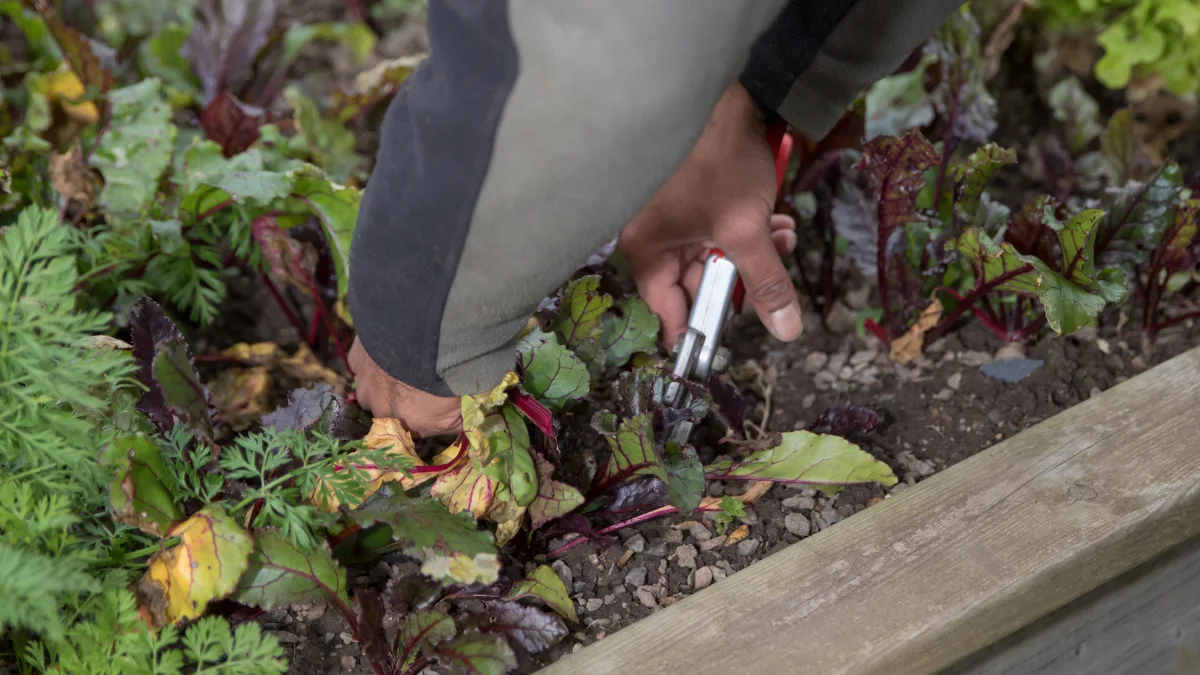
Block planting takes the best parts of row growing and adapts them for raised beds. Instead of single file lines, you plant across the entire width of the bed in an offset grid pattern. This creates a dense canopy of leaves that shades the soil completely. Weeds simply cannot get enough sunlight to survive under that thick cover.
Raised bed block planting. Source: Edible Garden Tips
The key insight here is that seed packet spacing rules are often written for poor quality ground soil. In a loose, fertile raised bed, you can plant things much closer together. Eartheasy experts recommend using untreated cedar beds at least 11 inches deep to give roots plenty of room to dig down. Deep roots mean you can pack the top of the bed tightly.
4. Build a 4×4 Salad Box for Quick First Harvests
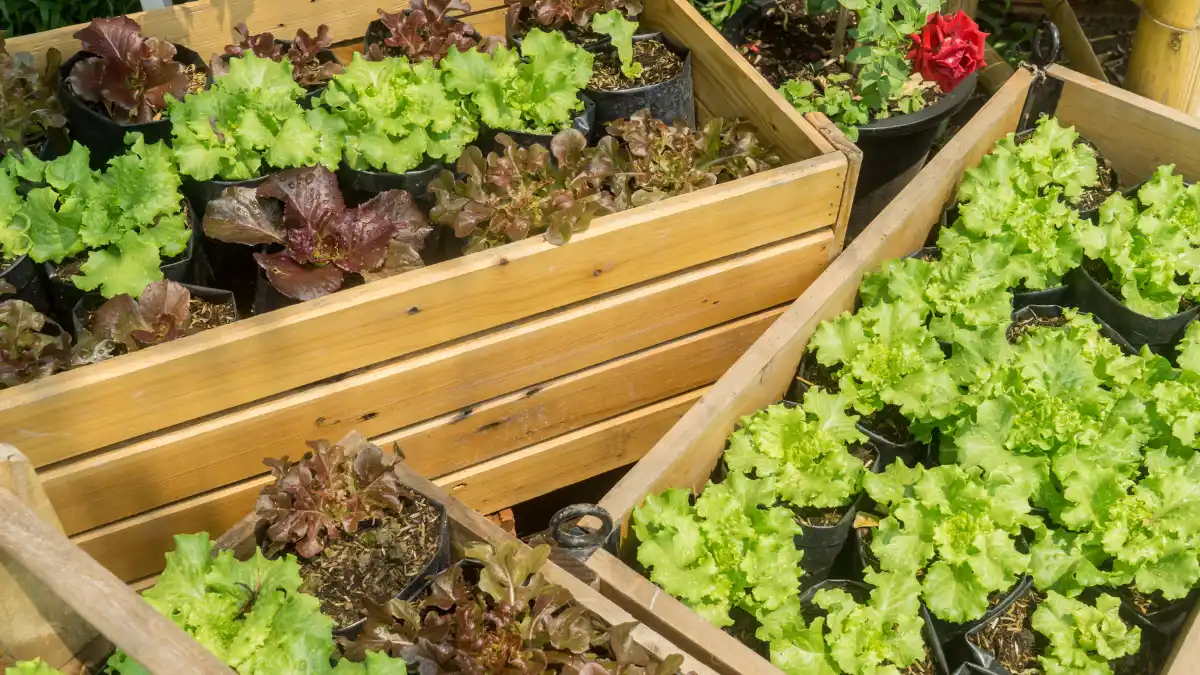
A four by four foot raised bed is the absolute best starting point for a beginner. It is small enough to manage in a few minutes a day, but big enough to feed a family plenty of fresh greens. By focusing entirely on salad crops, you get the satisfaction of a very fast harvest. Radishes and loose leaf lettuce will be ready to eat in under 30 days.
Keep the tallest plants, like cherry tomatoes, on the north side of the box. Fill the middle with spinach and Swiss chard, and plant short radishes on the south edge. This ensures every single leaf gets maximum sun exposure. Once you pick the radishes, you can immediately plant a new batch of seeds in that empty spot.
5. Set Up a 2×4 Balcony Plan if You Rent
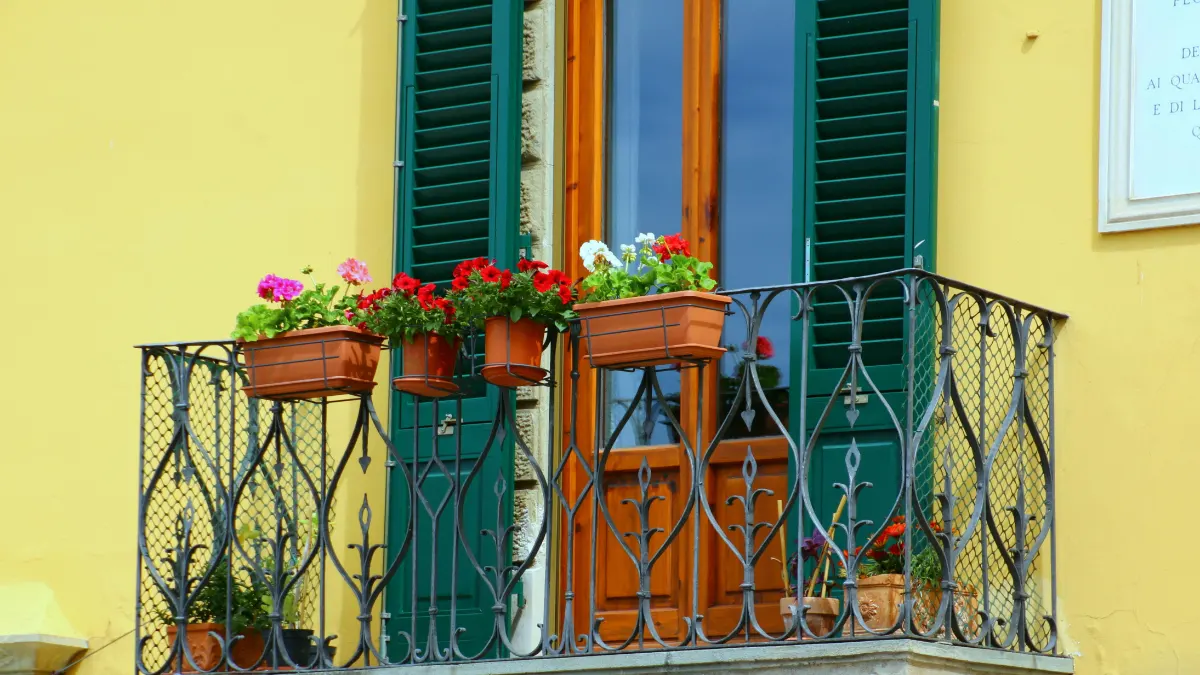
You do not need a lawn to grow incredible food. A two by four foot container setup fits perfectly on most apartment balconies. The secret is to use lightweight, fabric grow bags or sturdy plastic troughs instead of heavy clay pots. This keeps the weight down and makes moving them very easy if you switch apartments.
Balcony container vegetable garden. Source: Urban Plant
Balcony layouts require you to prioritize high yield crops that cost a lot at the grocery store. Skip bulky plants like cabbage or broccoli. Instead, fill your containers with expensive herbs, cherry tomatoes, and cut and come again lettuce. Make sure you place the planters tightly against the railing so they catch the most direct sunlight.
6. Grow a 3×8 Family Harvest Bed for Easy Reach

A three by eight foot raised bed strikes the perfect balance for a family garden. At exactly three feet wide, a child can reach the middle of the bed from either side without stepping on the soil. Keeping feet out of the garden prevents soil compaction, which is terrible for fragile plant roots. It also keeps small shoes from crushing your baby seedlings.
This long layout gives you 24 square feet of growing space. You can easily dedicate one half to summer favorites like peppers and bush beans. The other half can hold root vegetables like carrots and beets. Building it with natural cedar ensures it will last for years of family harvesting.
7. Map a 10×10 Community Plot to Feed a Crowd
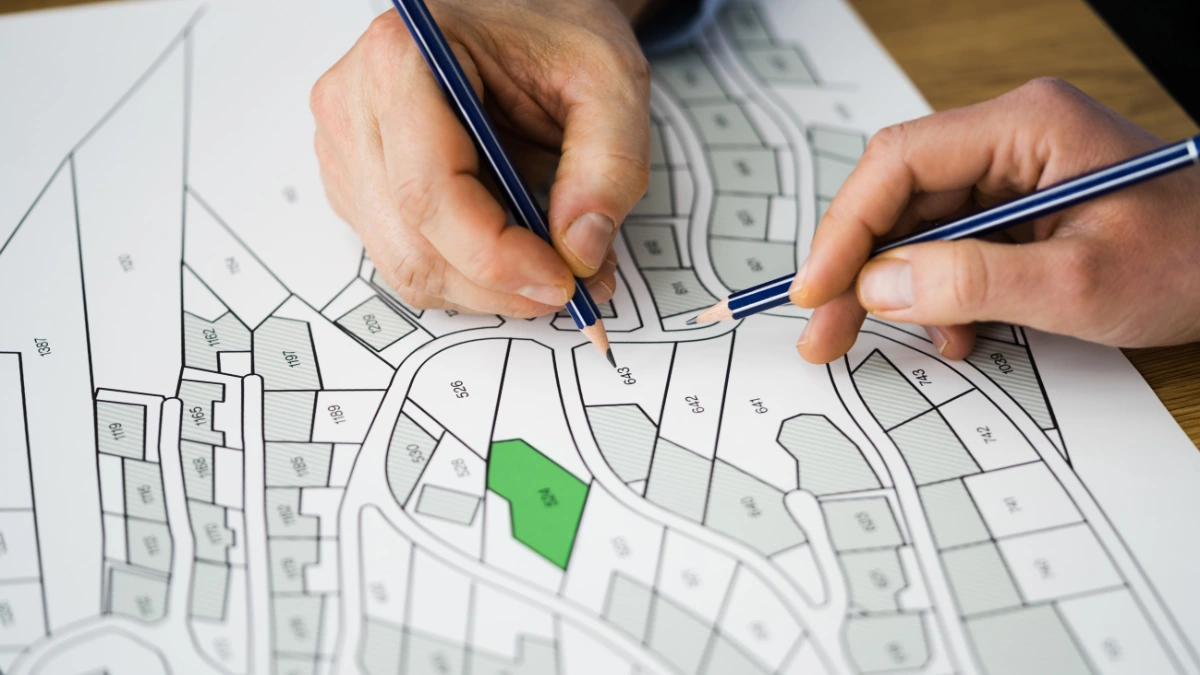
Community garden plots usually come in standard ten by ten foot squares. This is a massive amount of space that requires serious organization before you start planting. If you treat it like one giant dirt patch, you will eventually hate walking through the muddy center. You have to design permanent pathways right from the start.
Break the large square down into three narrow beds with two walking paths down the middle. This layout lets you group crops by their water and nutrient needs. You can put thirsty, heavy feeding tomatoes in one bed and tough, drought tolerant herbs in another. Adding a thick layer of wood chips to the pathways will keep the mud off your boots.
8. Go Vertical on a Trellis to Save Ground Space
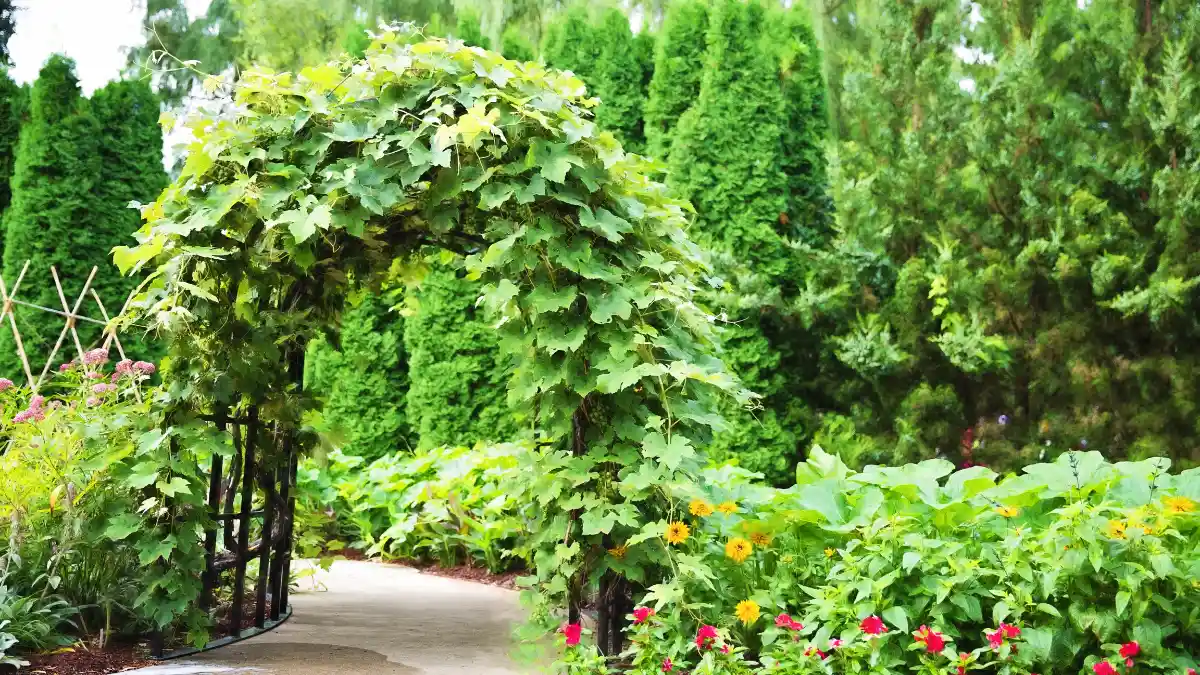
Vining plants like cucumbers, pole beans, and tiny sugar pumpkins will quickly overrun a small garden. Left on the ground, their vines will choke out every other plant in their path. A vertical layout fixes this by forcing those aggressive growers straight up into the air. You save massive amounts of ground space while keeping the fruit clean and free from soil rot.
Vertical garden trellis layout. Source: The Purposeful You
Place a sturdy metal or wood trellis on the extreme northern edge of your garden bed. This placement ensures the climbing wall of leaves never casts a shadow over your shorter vegetables. You can then use the empty space at the base of the trellis to grow shade loving lettuce during the hot summer months. The trellis acts like a natural cooling umbrella.
9. Plant the Three Sisters Method for Natural Support
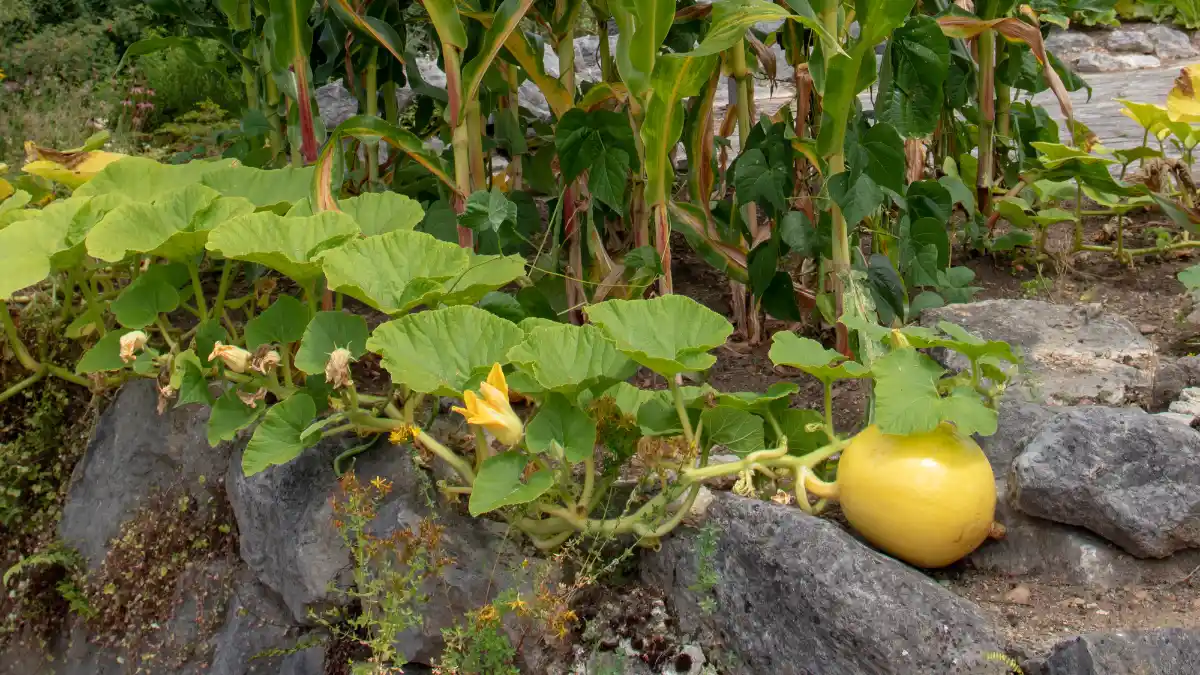
The Three Sisters layout is a brilliant, ancient companion planting technique developed by Indigenous farmers. You plant sweet corn, pole beans, and winter squash tightly together in the exact same mound of dirt. The three plants work as a perfect team to help each other survive. The corn stalks grow tall and strong, acting as a natural living trellis for the pole beans to climb.
Meanwhile, the beans pull vital nitrogen from the air and push it down into the soil to feed the heavy eating corn. Finally, the large, spiky leaves of the squash plant spread out low across the dirt. This living mulch shades the ground to stop weeds and keeps the soil moist. It is a completely self sustaining layout that requires very little extra fertilizer.
10. Keep a 3×6 Cut and Come Again Bed Near the Kitchen

Convenience is the biggest factor in actually using the food you grow. A small, three by six foot bed placed directly outside your back door makes harvesting effortless. You want this bed strictly reserved for things you pick fresh while cooking dinner. If it takes five minutes to walk to the back of the yard, you will probably just buy herbs at the store.
Fill this bed with chives, basil, parsley, and loose leaf lettuce. These are all cut and come again crops. You simply snip off the outer leaves with scissors, and the center of the plant keeps growing new food. It looks beautiful, smells amazing, and guarantees you always have fresh garnishes ready for your plate.
11. Try the Four Square Rotation to Keep Soil Healthy

Planting the exact same vegetable in the exact same dirt every single year is a bad idea. Pests that love tomatoes will lay eggs in the soil and wait for you to plant tomatoes there again next spring. The four square layout solves this problem through simple crop rotation. You divide your entire garden space into four distinct zones.
Each spring, you move your plant families clockwise into the next zone. Tomatoes and peppers go into box one this year, box two next year, and so on. This constant movement breaks the life cycle of soil pests and prevents the dirt from running out of specific nutrients. It is the easiest way to keep your ground healthy without buying expensive chemical treatments.
12. Dedicate a Spring Brassica Bed to Beat the Heat
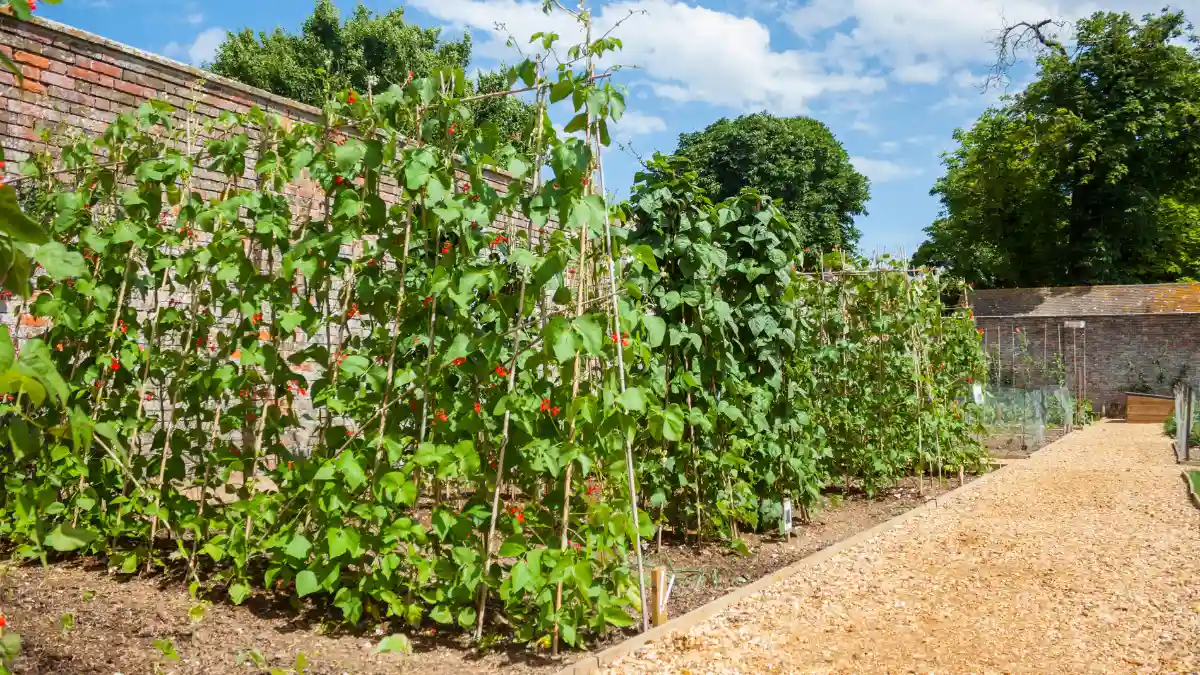
Brassicas are cool weather vegetables like broccoli, cauliflower, cabbage, and kale. They absolutely hate the blazing heat of late July and will bolt, turning bitter and tough. A dedicated spring layout lets you get these plants into the ground weeks before the last frost. You cover this specific bed with a plastic tunnel to warm the soil early in the year.
By grouping them all together, you can easily protect them from cabbage moth caterpillars using a single large floating row cover. Once the harsh summer heat arrives, you harvest the entire bed all at once. You can then flip that empty space to plant a late crop of heat loving bush beans.
13. Plant a Pepper Grid for Big Summer Yields
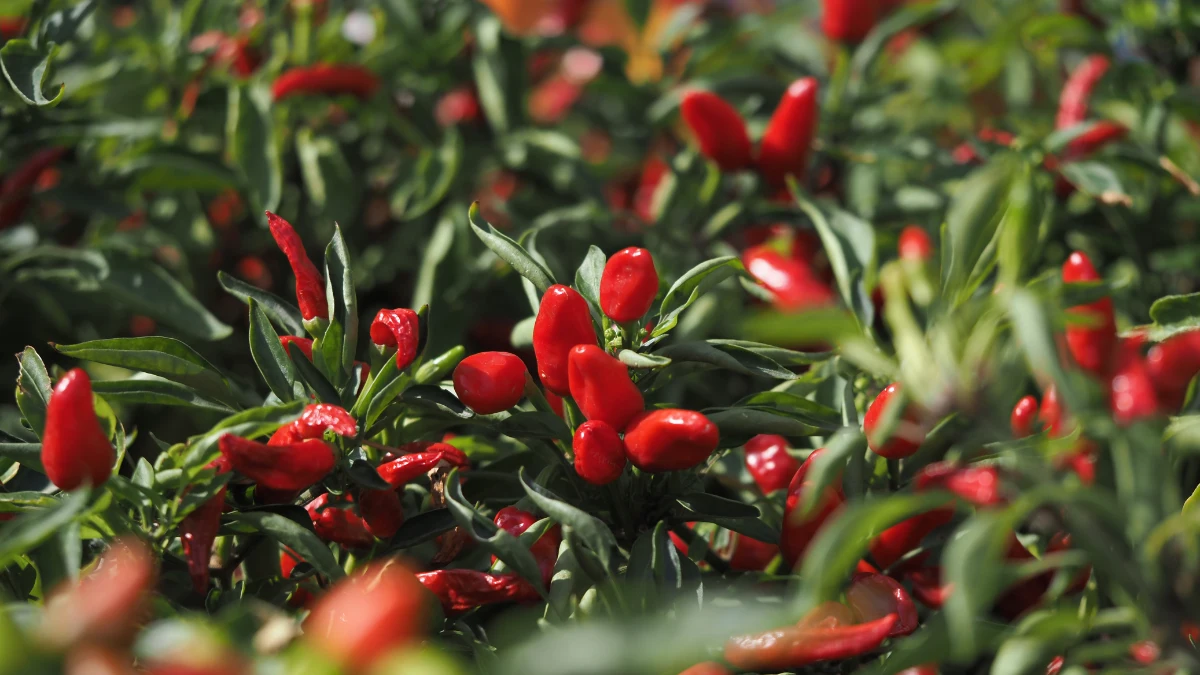
Peppers are famously fussy plants that demand heat, support, and very specific spacing. If you plant them too far apart, the harsh summer sun will bake the exposed soil and dry out their roots. If you plant them too close, they compete for nutrients and stop producing fruit. A dedicated pepper grid spaces them exactly 18 inches apart in every direction.
As they grow, their leaves will just barely touch, creating a protective green canopy over the soil. You must also be careful about mixing varieties. Sweet bell peppers and spicy jalapeños will occasionally cross pollinate if planted directly next to each other. Keeping them in separate zones ensures your sweet peppers never surprise you with unexpected heat.
14. Shape a U Shaped Garden to Reach Deep Corners

Standard rectangular beds are great, but a U shaped layout is a massive upgrade for serious growers. You build three raised beds connected together in a horseshoe shape, leaving a walking path dead center. You step into the middle of the garden and have food surrounding you on three sides. It is an incredibly efficient use of a square backyard corner.
The 2026 design trends from The Coolist highlight this layout for its intimate, enclosed feeling. Everything is within arm’s reach without you ever having to walk around to the other side of a long box. It keeps your tools, your watering can, and your harvest basket centered in one easy spot.
15. Interplant Veggies With Flowers to Trap Pests
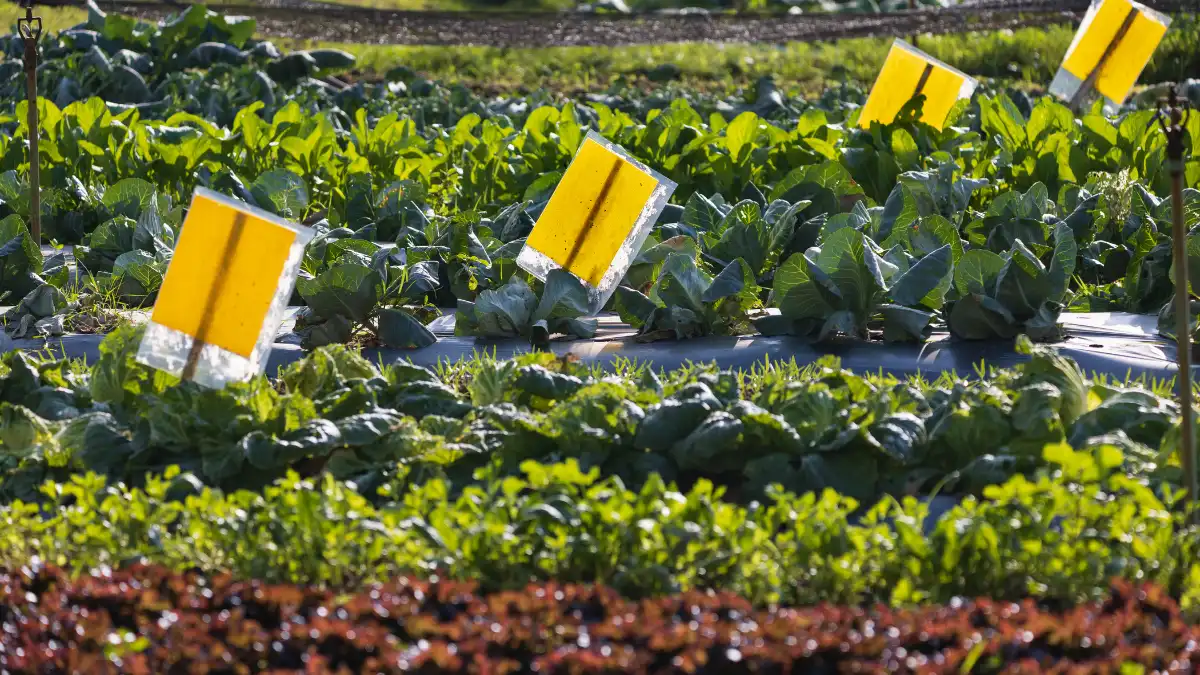
A vegetable garden does not have to be just green leaves and brown dirt. Mixing bright flowers directly into your vegetable layout is a proven pest control strategy. Certain strong smelling flowers confuse destructive bugs, while others actively attract beneficial insects that eat pests. It is a beautiful way to protect your food without spraying harsh chemicals on your leaves.
Marigolds are the absolute best choice for this layout. Their strong scent naturally repels nematodes in the soil and keeps whiteflies away from your tomato plants. Nasturtiums are another great addition because they act as a trap crop, pulling aphids away from your valuable vegetables.
Before you mix plants together, it helps to know which ones actually like each other. Review this quick companion pairing guide to avoid bad matches.
| Main Plant | Good Companions | What to Keep Away |
|---|---|---|
| Tomatoes | Marigolds, Basil, Carrots | Potatoes, Cabbage |
| Bush Beans | Corn, Squash, Rosemary | Onions, Garlic |
| Peppers | Basil, Spinach, Onions | Beans, Fennel |
16. Install an Elevated Trough Plan to Stop Bending Over
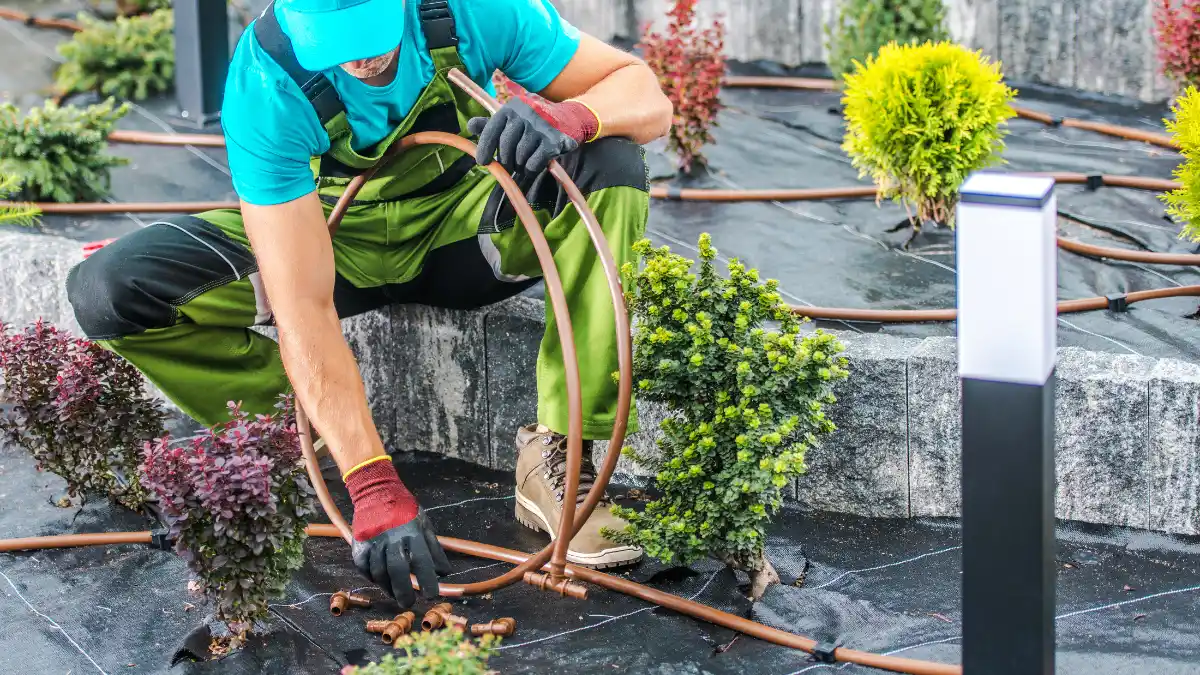
Gardening can be brutal on your lower back and knees. If mobility is a concern, an elevated trough layout is the perfect solution. These are long planters built on sturdy waist high legs, bringing the soil directly up to your hands. You can plant, weed, and harvest while standing completely upright or sitting comfortably in a chair.
Because the trough is suspended in the air, the soil warms up much faster in the spring than the ground does. The Coolist notes that this streamlined look feels very modern and keeps the yard looking clean. Just remember that exposed wooden legs can rot if they sit in standing water, so place them on gravel or concrete pavers.
Picking the right layout prevents the dreaded mid summer garden burnout. When you match your plants to your actual yard space, gardening stops feeling like a chore and starts feeling highly rewarding. You spend less time pulling weeds and more time picking fresh food for dinner. Grab a tape measure today, check the sunlight in your yard, and mark out the plan that works best for you.
