
The first frost of the year always brings a bit of panic. You look at your expensive potted tropicals and perennials, wondering how many will survive the cold. Throwing them away feels like a waste of money. But bringing them inside without a plan usually ends in dead leaves and pest outbreaks.
This guide shows you exactly how to overwinter plants in pots safely. You will learn the right way to prep them, where to store them, and how to keep them dormant but alive. You can winterize potted plants easily with a few simple steps. Let us get those containers ready for the cold months.
Signs Your Potted Plants Are Ready for Winter Storage

Plants tell you when they need to come inside. You should start watching the weather forecast closely as autumn arrives. The general rule is to act before night temperatures drop below 45 degrees Fahrenheit. A sudden freeze can damage the roots in a pot much faster than roots buried deep in the ground.
Some plants will show clear visual signs that their growing season is over. Their leaves might start to yellow or drop off completely as the plant goes dormant. You want to store container plants for winter right as this natural process begins. Waiting too long puts the plant at serious risk of root rot or freeze damage.
Pick the Best Indoor Spot to Overwinter Plants in Pots
Finding the right spot is the most important step for success. Most outdoor plants do not want to be in your warm, dry living room. They need a cool spot where they can rest without freezing. A dark, unheated garage or a cool basement works perfectly for dormant plants.
Tropical plants that keep their leaves need a different setup. They require bright light and moderate temperatures to stay healthy indoors. A sunroom or a bright window in a cool hallway is ideal for them. The National Gardening Association recommends checking your specific plant type before picking its winter home.
Finding the perfect temperature zone keeps your plants from waking up too early. Use this guide to match your specific plant with its ideal indoor location.
| Plant Type | Ideal Temperature | Best Storage Spot |
| Tropicals | 60 to 70 degrees | Bright sunny window |
| Perennials | 30 to 45 degrees | Unheated garage |
| Herbs | 50 to 65 degrees | Cool kitchen sill |
| Tender Bulbs | 40 to 50 degrees | Dark basement |
A plant stored in the wrong temperature will either freeze or try to grow weak stems. Keep an eye on a thermometer near your pots to make sure the space stays stable.
Clean and Prune to Stop Winter Pests
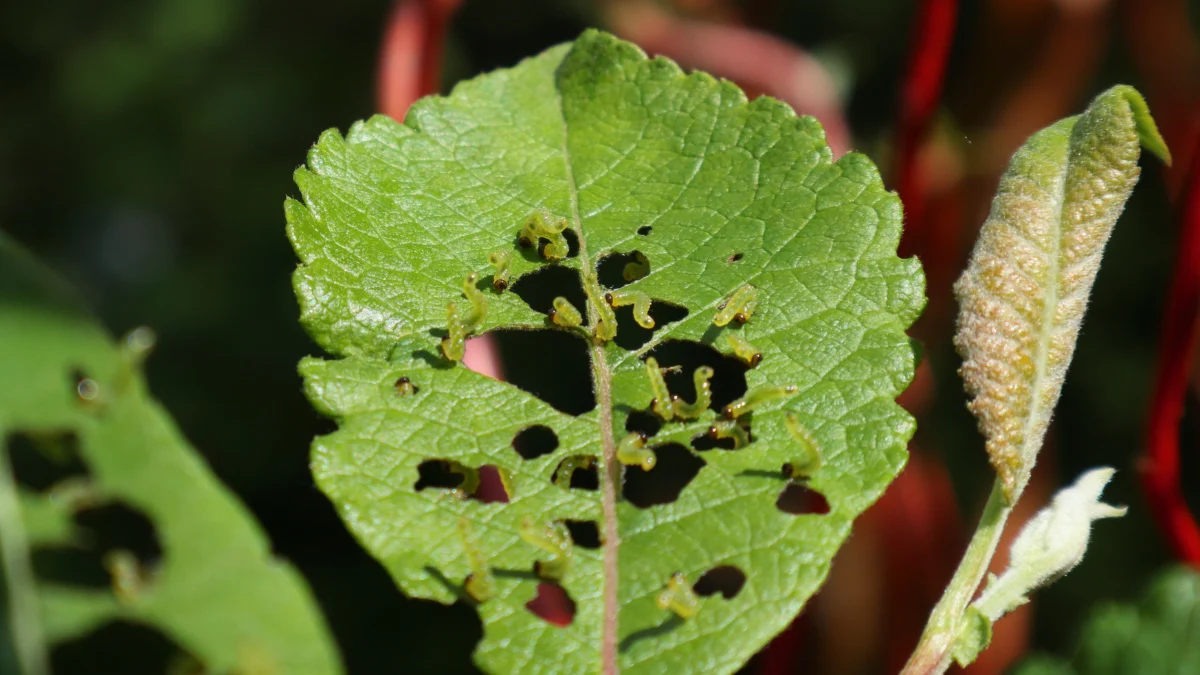
Bringing outdoor pots inside often invites unwanted bugs into your house. You must inspect every single leaf and stem for pests. Aphids and spider mites love to hide under large leaves and near the soil line. Giving the plant a firm spray with a garden hose knocks off most of these bugs.
After washing the leaves, you need to prune away any dead or dying growth. Use clean, sharp pruning shears to cut back dead stems. This stops rot from spreading and removes hiding spots for insect eggs. Many Master Gardener programs suggest spraying the plant with insecticidal soap just to be safe.
Check the soil before moving the pot to its final winter resting place. Treat any visible pests immediately so they do not spread. Keeping them away from your other houseplants is a smart move.
Pests multiply fast when they get into a cozy indoor environment. Checking these specific areas will stop an infestation before it starts.
| Pest Type | Common Hiding Spot | Best Treatment |
| Spider Mites | Underneath dry leaves | Wet cloth wipe down |
| Aphids | New green growth | Insecticidal soap |
| Fungus Gnats | Top layer of wet soil | Let soil dry out |
| Scale Insects | Hard bumps on stems | Neem oil spray |
Treating these bugs early saves you a lot of headache later in the season. Keep the treated pots away from your permanent indoor houseplants for at least two weeks.
Watering and Feeding Rules for Dormant Plants

Overwatering is the number one reason potted plants die during the winter. A dormant plant uses very little energy and needs hardly any water. You should only water when the soil feels completely dry two inches down. Sticking your finger into the dirt is the best way to check the moisture level.
You also need to completely stop fertilizing your overwintering plants. Adding fertilizer encourages the plant to push out new growth. That new growth will be weak and will drain the plant of its stored energy. You can start feeding them again when spring arrives.
Care for overwintering plants requires a lot of ignoring them. Give them a quick check every few weeks to monitor the soil. Just make sure the dirt has not turned completely to dust.
Adjusting your watering schedule is critical for winter survival. Follow this watering frequency based on where you store the pots.
| Storage Area | Plant State | Watering Need |
| Bright Window | Actively growing | Every 1 to 2 weeks |
| Cool Basement | Fully dormant | Every 4 to 6 weeks |
| Unheated Garage | Fully dormant | Light sprinkle monthly |
| Sunroom | Semi dormant | Every 2 to 3 weeks |
Less water is always better than too much water during the winter months. Soggy soil in a cold room will rot the roots almost instantly.
When to Bring Potted Plants Back Outside

Spring weather can be tricky and unpredictable. You cannot just carry your pots outside on the first sunny day. Plants need to slowly get used to the outdoor wind and direct sunlight again. This process is called hardening off.
Wait until the danger of frost has completely passed for your local area. The Old Farmer’s Almanac provides accurate frost dates by zip code. Start by placing the pots in a shady, protected spot for just a few hours a day. Over two weeks, you can slowly give them more time outside and more direct sun.
Rushing the move outdoors can sunburn or shock your plants. This simple timeline helps them adjust safely to the spring weather.
| Spring Phase | Night Temperatures | Time Outside |
| Week 1 | Above 45 degrees | 2 hours in full shade |
| Week 2 | Above 50 degrees | 4 hours in partial sun |
| Week 3 | Above 50 degrees | 6 hours in morning sun |
| Week 4 | Consistently warm | Leave out overnight |
Patience is the secret to a successful outdoor transition. By week four, your plants will be strong enough to handle full summer conditions.
Overwintering your plants does not have to be a stressful chore. You can save your favorite pots by giving them the right temperature, careful pruning, and very little water. This simple routine protects your gardening budget year after year.
Go check the weather forecast right now to see how much time you have left. Grab your pruning shears and start checking your pots for pests today. Learning to overwinter plants in pots is a skill that will make you a much better gardener.
