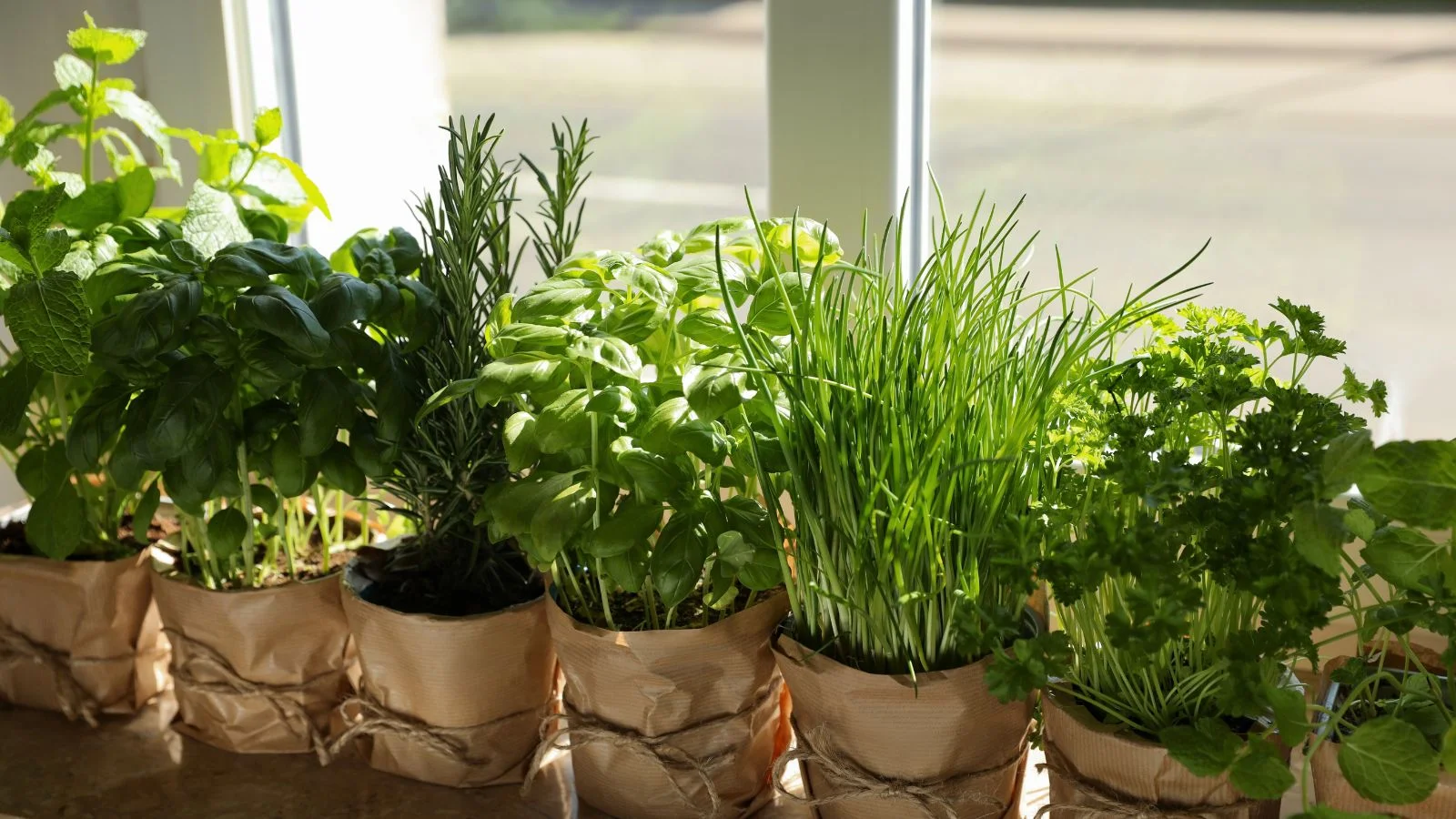
Like a lot of people who live in apartments with zero outdoor space, I got fed up with buying those little plastic clamshells of herbs from the grocery store. They always wilted in two days, cost a ridiculous amount, and half the time tasted like nothing. So last winter I decided to try growing my own herbs indoors. My goal was simple: have fresh basil, mint, and parsley ready whenever I wanted, save some money, and maybe make my tiny kitchen feel a little less like a concrete box. I had zero experience with indoor gardening, but after watching way too many TikTok videos and reading a few beginner guides, I figured I’d give it a shot.
What I Did
I kept everything super basic because my windowsill space was limited and I didn’t want to turn my kitchen into a jungle. I used stuff I could find at the local garden center and online for cheap.
Here’s what my setup looked like:
- Pots: Small 4–6 inch terracotta and plastic pots with drainage holes. I also grabbed a couple of self-watering planters for the thirstier herbs.
- Soil: Decent potting mix labeled for herbs and vegetables — nothing fancy, but I mixed in a bit of perlite to help with drainage.
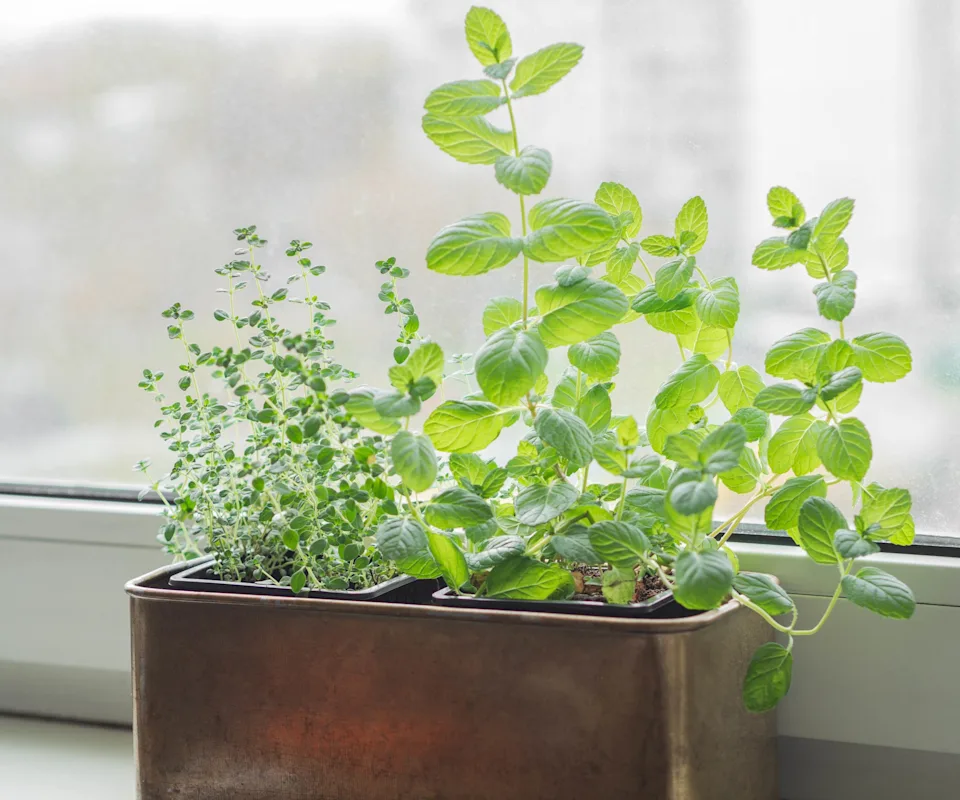
- Plants: I started with the classics — sweet basil, mint (the kind that doesn’t take over the planet), flat-leaf parsley, chives, and thyme. I bought a few small starter plants instead of seeds because I wanted quicker results.
- My loose rules: Water when the top inch of soil felt dry (usually every 3–5 days), give them a weak liquid fertilizer every two weeks, make sure they got at least 6 hours of bright light from a south-facing window, and rotate the pots every few days so they didn’t grow lopsided. I also promised myself not to overcrowd — just five plants to start.
I even kept a little note on my phone tracking when I watered and any weird changes I noticed. It made me feel slightly more organized than I actually was.
What Happened
The first two weeks were exciting. The plants perked up almost immediately, new leaves started popping, and my kitchen suddenly smelled amazing every time I brushed past them. I felt like a legit plant parent — snipping fresh basil for pasta or throwing mint into my water.
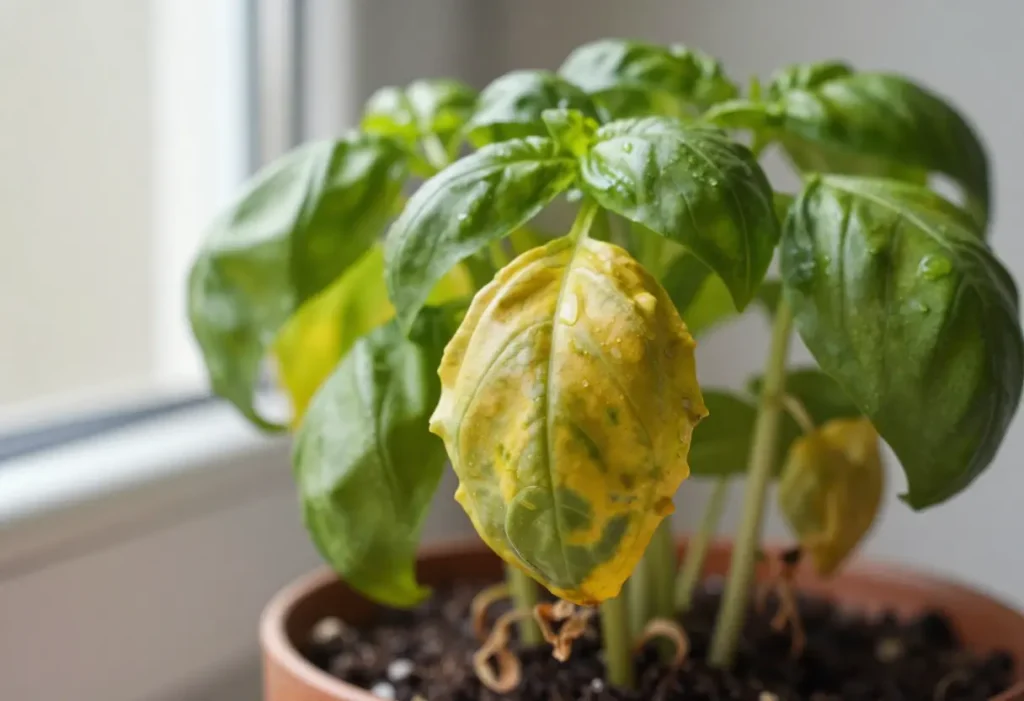
Then reality set in. By week four, the basil started looking leggy and pale even though it was right by the window. The mint went wild and tried to escape its pot. A couple of parsley leaves turned yellow, and I realized I’d been underwatering the thyme. Tiny gnats showed up in the soil of one pot (super annoying), and during a cold snap the window got drafty, which stressed a couple of the plants. Overall it was a mix of little wins, random failures, and a lot of learning on the fly. But being able to grab fresh herbs while cooking still felt pretty cool.
What Worked
A few things really saved the experiment:
- The mint and chives were rock stars. They grew fast, stayed healthy, and gave me way more than I expected.
- Self-watering pots were a game-changer for the basil — they kept the moisture consistent without me having to babysit it every day.
- Bright south-facing light made a huge difference. The herbs closest to the window clearly thrived compared to the ones I tried farther back.
- Starting with small nursery plants instead of seeds gave me a head start and fewer disappointments early on.
- Snipping regularly actually encouraged more growth on the basil and parsley.
I ended up using fresh herbs in salads, omelets, teas, and pasta sauces all winter long. That alone made me feel like the whole thing was a success.
What Didn’t Work
Being honest, quite a bit went sideways:
- The basil got super leggy and stretched toward the light no matter how much I rotated it. It never got as bushy as the outdoor stuff I’d seen online.
- I overwatered the parsley at first, which caused some yellow leaves and a bit of root rot smell.
- Tiny fungus gnats became a problem in one pot — they were harmless but drove me crazy hovering around the kitchen.
- Thyme hated the indoor humidity and dry winter air; it stayed small and a little woody.
- During a week when I was super busy, inconsistent watering made a couple of plants wilt badly.
These hiccups taught me that indoor growing is way more finicky than I expected, especially with light and humidity.
Would I Do It Again?
Yes, definitely — but smarter this time. The convenience of walking two steps to grab fresh mint for my tea or basil for dinner outweighs the minor headaches. It made cooking more fun and my kitchen feel alive even in the dead of winter. Next round I’m planning to add a cheap grow light for the darker months, stick mostly to the reliable winners (mint, chives, parsley), and maybe try cilantro in a cooler spot.
Key Takeaways
- Start small: Pick just 3–5 easy herbs so you don’t get overwhelmed.
- Light is everything: South-facing windows are best; otherwise, consider a simple grow light in winter.
- Good drainage prevents disasters: Always use pots with holes and don’t let them sit in water.
- Water smarter, not more: Check the soil with your finger — overwatering kills more indoor herbs than underwatering.
- Snip often: Regular harvesting keeps most herbs bushier and encourages new growth.
- Some herbs are easier than others: Mint, chives, and parsley are more forgiving indoors than basil or thyme.
- Expect a learning curve: Indoor conditions are different from outdoors — be ready to adjust as you go.
If you’ve been thinking about growing herbs on your windowsill, just try it. Even with a few failures, having fresh herbs at arm’s reach feels surprisingly rewarding. My kitchen smells better, my food tastes fresher, and I’ve got a new little green hobby. What’s stopping you from starting your own?